
Choosing a preschool can feel like a bigger decision than it should. It's often the first time you hand your child to people you don't know for hours at a time, and every school's website promises a warm, nurturing place to learn. With fall a few weeks away, many families are touring now, and some are realizing that the program they wanted has a waitlist.
The good news: you don't need to be an expert in early education to choose well. You need to know what your family needs, what to check first and what to watch for when you walk through the door.
Start with what your family needs
Before you compare teaching styles, get clear on the practical side. It narrows your list fast.
- Schedule: half-day or full-day, and how many days a week?
- Location: close to home, close to work or on the way between them?
- Start date: do you need a spot this fall or are you planning for next year?
- Age and readiness rules: some programs have age cutoffs or require children to be potty trained.
- Budget: tuition, registration fees, supply fees and any extra charge for early drop-off or late pickup.
Know the common preschool approaches
You'll hear a lot of terms on tours. Here's a quick, plain guide:
- Play-based: children learn through play, with teachers guiding activities. Many programs use some version of this.
- Montessori: mixed-age classrooms, hands-on materials and a strong focus on independence. Children often choose their own activities from a prepared set.
- Academic or structured: more teacher-led lessons on letters, numbers and early reading.
- Language immersion: much of the day happens in a second language.
- Faith-based and cooperative programs are also common, with co-ops asking parents to help in the classroom.
There's no single best approach. The right one depends on your child's personality and your family's values. Listings often tell you the approach right away. Sugar Creek Montessori in Fulshear, Texas, describes a child-centered environment focused on independence and confidence. Kinder Mission in San Diego describes a preschool featuring German, Spanish and English, with STEAM and STEM learning.
Check licensing and safety first
Before you fall in love with a classroom, check the basics.
- Licensing. Most child care programs must be licensed by the state, though rules and exemptions vary. Ask to see the license, and check with your state's child care licensing agency. Many states offer an online search where you can look up a program's inspection history.
- Background checks. Ask whether every staff member has passed a background check.
- Ratios and group sizes. Ask how many children are in each class and how many adults are with them.
- Entry and pickup. How do they keep the door secure? Who is allowed to pick up your child, and how do they check?
- Health and allergies. How do they handle allergies, medications and sick children?
- Emergency plans. Ask what happens in a fire drill, severe weather or a medical emergency.
What to look for on a preschool tour
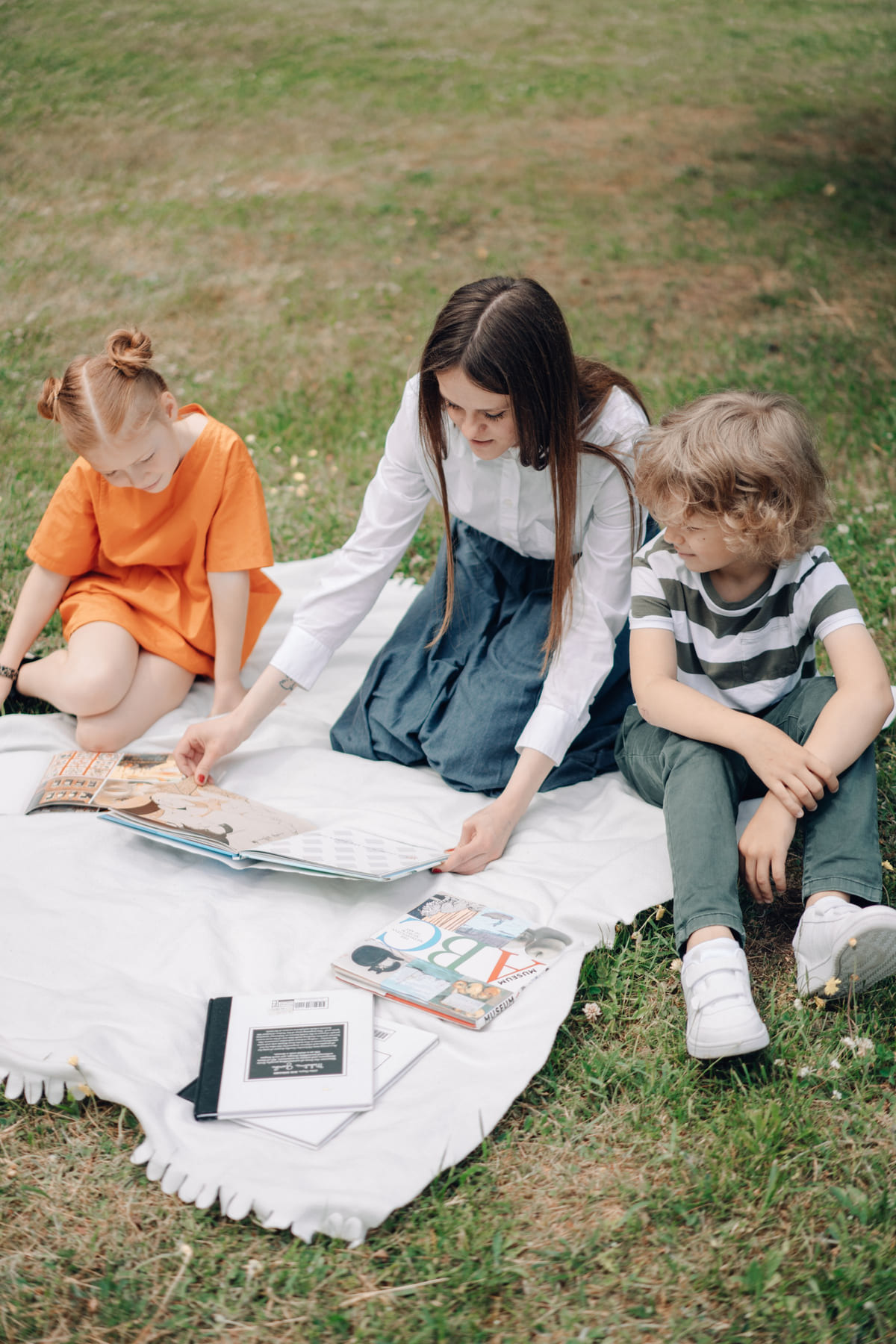
A tour tells you more than any brochure. Try to visit while children are there, not after hours.
Watch for:
- Children who look engaged, busy and comfortable, not bored or wandering.
- Teachers at the children's level, kneeling, sitting at small tables and talking with kids rather than over them.
- A clean, safe space that still looks lived in, with children's own art on the walls.
- Outdoor play space and time built into the day.
- A calm way of handling tears. Every preschool has a crying child sometimes. Notice how the staff respond.
- Bathrooms and nap areas that look clean and cared for.
Questions to ask on a preschool tour
What does a typical day look like, start to finish?
How long have the lead teachers been here? (Low turnover is often a good sign.)
What training do teachers have?
How do you handle conflict, biting or hitting?
How will you communicate with me during the day?
What's your sick-child policy?
Are meals and snacks provided, or do we pack them?
How do you handle naps and potty training?
What are the full costs, including fees?
Is there a waitlist, and how does it work?
Red flags worth noticing
- The school won't let you tour during regular hours.
- Staff seem rushed, stressed or short with children.
- You can't get a straight answer about licensing or ratios.
- Parents aren't welcome to visit or call during the day.
- The space is noticeably dirty or unsafe.
One small thing isn't a reason to walk away. A pattern of them is.
Trust your gut, and your child's
If you can, bring your child on a second visit. Notice how they react to the room and the teachers. Then talk to a couple of current parents if the school can connect you. They'll tell you things a tour won't.
You can browse preschools, Montessori schools and learning centers by state in the education and training category on Listings Junkie, and there's a separate childcare and daycare category too. In Brooklyn, for example, Seneca Village Montessori School describes an African-centered preschool built on the Montessori approach. State pages like New York's education listings make it easy to compare programs near you.
Help your child get ready for the first day
Once you've chosen, a little preparation makes the start of fall smoother for everyone.
- Visit again before the first day if the school allows it, so the room and teachers feel familiar.
- Practice the routine. Try the morning schedule, the drive and the drop-off goodbye a few times.
- Read picture books about starting school and talk about what will happen during the day.
- Label everything, from jackets to water bottles.
- Keep goodbyes short and warm. A quick hug and a confident "See you after snack" usually works better than a long, lingering exit.
Expect a few teary mornings. They're normal, and they usually pass faster than parents fear.
As your child grows, you may find yourself looking for other kinds of help too. Our guide on how to choose a tutor covers that next step.
Frequently asked questions
When should I start looking at preschools?
Many families start looking six months to a year ahead, since popular programs can have waitlists. But openings do come up over the summer, so if you need a spot this fall, call around now.
What's the difference between preschool and daycare?
The line is blurry. Daycare usually focuses on full-day care for working families, while preschool often focuses on early learning, sometimes for shorter days. Many programs offer both.
How do I check a preschool's license?
Ask the school for its license, then check with your state's child care licensing agency. Many states have an online lookup that shows a program's license status and inspection history.
What if my child isn't potty trained yet?
Policies vary. Some programs require it and others help with it. Ask on the tour so you know what to expect.
List your business for free
Create a verified listing on Listings Junkie and give the customers in your area one more place to find your business name, address, phone and website.