When the forecast drops into the teens, plumbers' phones start ringing before sunrise. Frozen pipes are one of the most common winter emergencies in American homes, and a split line can soak floors, walls and a basement in the time it takes to find the shutoff valve. The good news is that most freeze-ups can be prevented, and a frozen pipe caught early can often be thawed before it bursts. Here's what to do before, during and after a cold snap.
Why frozen pipes burst, and where it happens
Water expands as it freezes. When ice forms in a pipe, pressure builds between the ice and the closed faucet at the end of the line. That pressure, not the ice itself, is what usually splits the pipe, and the break can show up a short distance from the frozen spot.
The pipes most at risk are the ones exposed to cold air:
- Lines in exterior walls, especially under kitchen and bathroom sinks
- Pipes in unheated crawl spaces, attics and garages
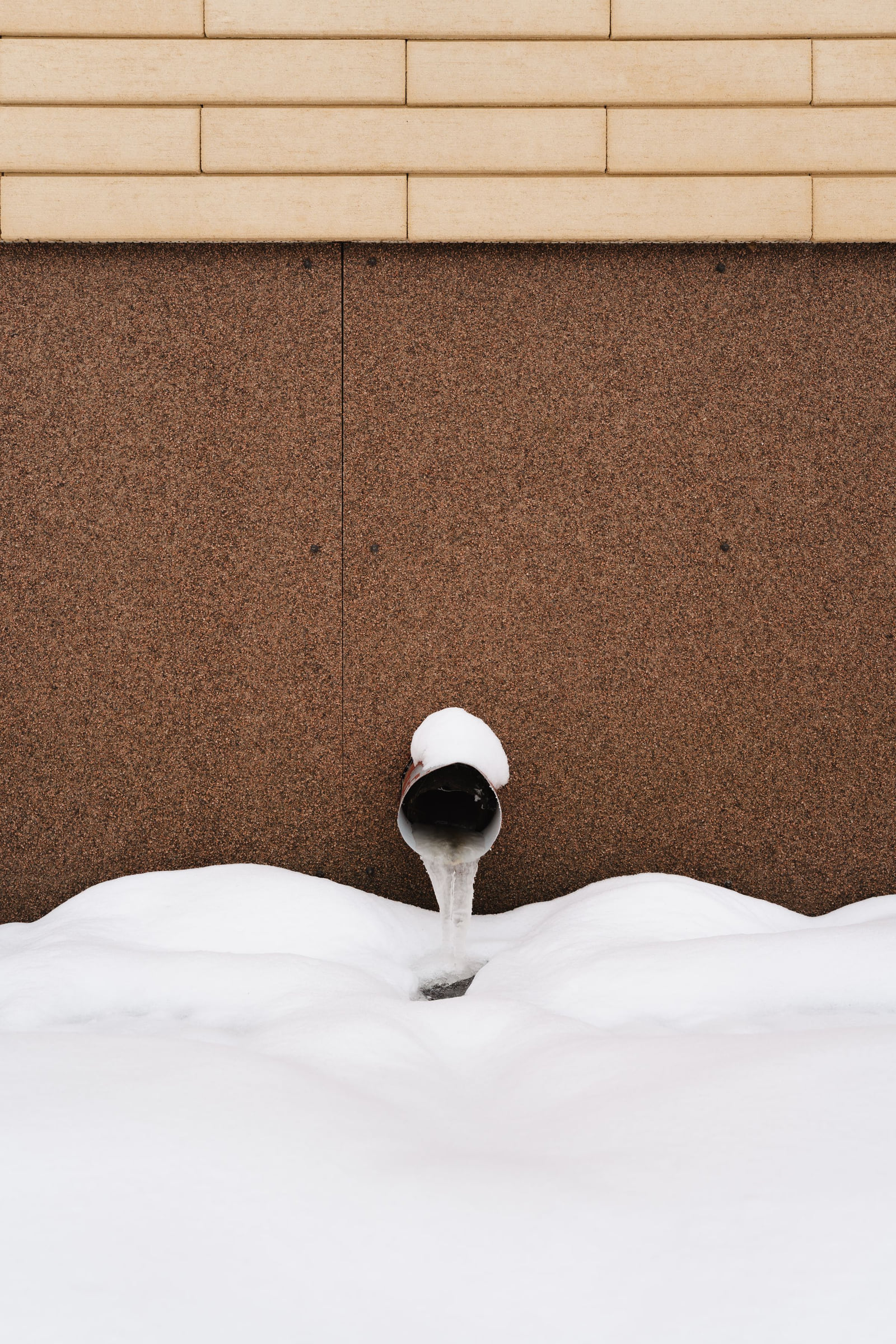
- Outdoor spigots and hose bibs
- Sprinkler and pool supply lines
- Any pipe near a drafty window, vent or foundation crack
How to prevent frozen pipes before a cold snap
A few habits, done before the deep freeze arrives, go a long way.
- Disconnect garden hoses. A hose left attached can trap water in the spigot. If you have an indoor shutoff for outdoor faucets, close it and drain the line.
- Open cabinet doors under sinks on outside walls so warm room air can reach the pipes.
- Let vulnerable faucets drip on the coldest nights. A slow, steady drip keeps water moving and relieves pressure. For single-handle faucets, set the handle in the middle so both hot and cold lines get flow.
- Keep the heat steady, day and night. Turning the thermostat way down overnight or while you're away saves a little money and risks a lot. Many guides suggest not going below the mid-50s, even in an empty house.
- Insulate exposed pipes with foam pipe sleeves from a hardware store. Seal drafts near pipes with caulk or spray foam.
- Keep the garage door closed if water lines run through the garage.
- Find your main water shutoff now, and make sure it turns. In a burst, every minute matters, and nobody wants to search for a valve with a flashlight in their teeth.
If you're traveling during a cold spell, ask a neighbor to check the house. Some homeowners shut off the main and open the faucets to drain the lines before a long trip. If you're unsure how to do that safely in your home, a plumber can show you.
How to tell if a pipe is frozen
The clearest sign is a faucet that gives you a trickle or nothing at all while other faucets in the house work normally. Other clues:
- A toilet that won't refill
- Frost on an exposed pipe
- A section of pipe that looks bulged
- No water at all from any faucet, which can point to a frozen main line or a problem with the supply
If you find a frozen line, act now. A frozen pipe that hasn't burst yet is a much easier problem than one that has.
How to thaw a frozen pipe safely
If you can see and reach the frozen section, you may be able to thaw it yourself.
Open the faucet
the pipe feeds. As the ice melts, running water helps clear the rest and relieves pressure.
Apply gentle heat,
starting near the faucet and working back toward the frozen section. A hair dryer, an electric heating pad, or towels soaked in hot water all work. A space heater can help warm a cabinet or small area if it's kept a safe distance from anything that can burn.
Keep going until full pressure returns,
then check the other faucets in the house for more frozen spots.
What never to do: don't use a torch, a propane or kerosene heater, charcoal, or any open flame. Fire and carbon monoxide are real dangers, and a torch can damage pipes and start a fire inside a wall. Don't use electrical devices while standing in water.
Call a plumber if the frozen section is inside a wall or ceiling, if you can't find it, if several lines are frozen, or if your efforts aren't working.
What to do if a frozen pipe bursts
A burst often shows up as the pipe thaws, when water suddenly has somewhere to go. Move quickly and in this order.
Shut off the main water valve.
Think about electricity.
If water is near outlets, the electrical panel or appliances, turn off power to that area at the breaker, but only if you can reach the panel without standing in water. If you can't, stay out and call for help.
Open faucets
to drain the water left in the lines.
Call an emergency plumber
to repair the break.
Start getting water out.
Mop, use a wet-dry vacuum, and move furniture, rugs and boxes to dry ground.
Take photos and video
of the damage before cleanup gets too far along, and contact your insurance company about what your policy covers. Coverage depends on the policy and the circumstances, so ask your agent directly.
Bring in a water damage restoration company
if water soaked drywall, carpet, insulation or a finished basement. Wet materials can start to grow mold quickly, so professional drying sooner rather than later is worth it.
Find an emergency plumber before you need one
The worst time to search for a plumber is with water on the floor. Take five minutes this week to save two or three numbers in your phone.
- Browse the plumbers category on Listings Junkie, or your state's page, such as plumbers in Texas, where hard freezes are less common and often catch homes unprepared.
- Complete Plumbing, for example, is listed on Listings Junkie serving Fargo, West Fargo, Moorhead and nearby towns, with licensed plumbers offering fast repairs and 24 hour emergency plumbing.
- For the cleanup side, look at water damage companies in home services. Howell Water Damage in Michigan lists burst and frozen pipe cleanup and flooded basement cleanup among its services, and Gardner Water Damage in Massachusetts offers emergency water extraction.
When you call, ask whether they can come now, whether there's an after-hours fee, and whether they'll make the full repair or just stop the leak for now. For the bigger picture on licensing, insurance and estimates, see our guide on how to choose a plumber you can trust.
Frequently asked questions
Should I leave my faucets dripping on cold nights?
On very cold nights, a slow drip on faucets fed by vulnerable pipes can help. Moving water is less likely to freeze, and an open faucet relieves pressure if ice does form.
At what temperature do pipes freeze?
There's no single number. It depends on insulation, wind, where the pipe runs and how long the cold lasts. Pipes in unheated spaces are at risk whenever temperatures stay below freezing, and the risk climbs during long, hard freezes.
Does homeowners insurance cover burst pipes?
It depends on your policy and what caused the burst. Some policies treat sudden bursts differently from damage that built up over time. Talk to your insurance agent for an answer that fits your situation.
Can a frozen pipe thaw on its own without bursting?
Sometimes, but it's a gamble. If you know a pipe is frozen, open the faucet and thaw it gently rather than waiting to see what happens.
List your business for free
Create a verified listing on Listings Junkie and give the customers in your area one more place to find your business name, address, phone and website.