

"Should I just focus on Google?" It's a fair question. Google handles a huge share of local searches, and its map results are where many customers make their pick. So why bother with directories at all?
Because Google doesn't take your word for it. Think of Google as a hiring manager reviewing your application. Your Google Business Profile is the résumé. Directories are the references it calls to check whether the résumé is true. A strong résumé with no references, or with references that contradict each other, doesn't get you far.
What Google does on its own
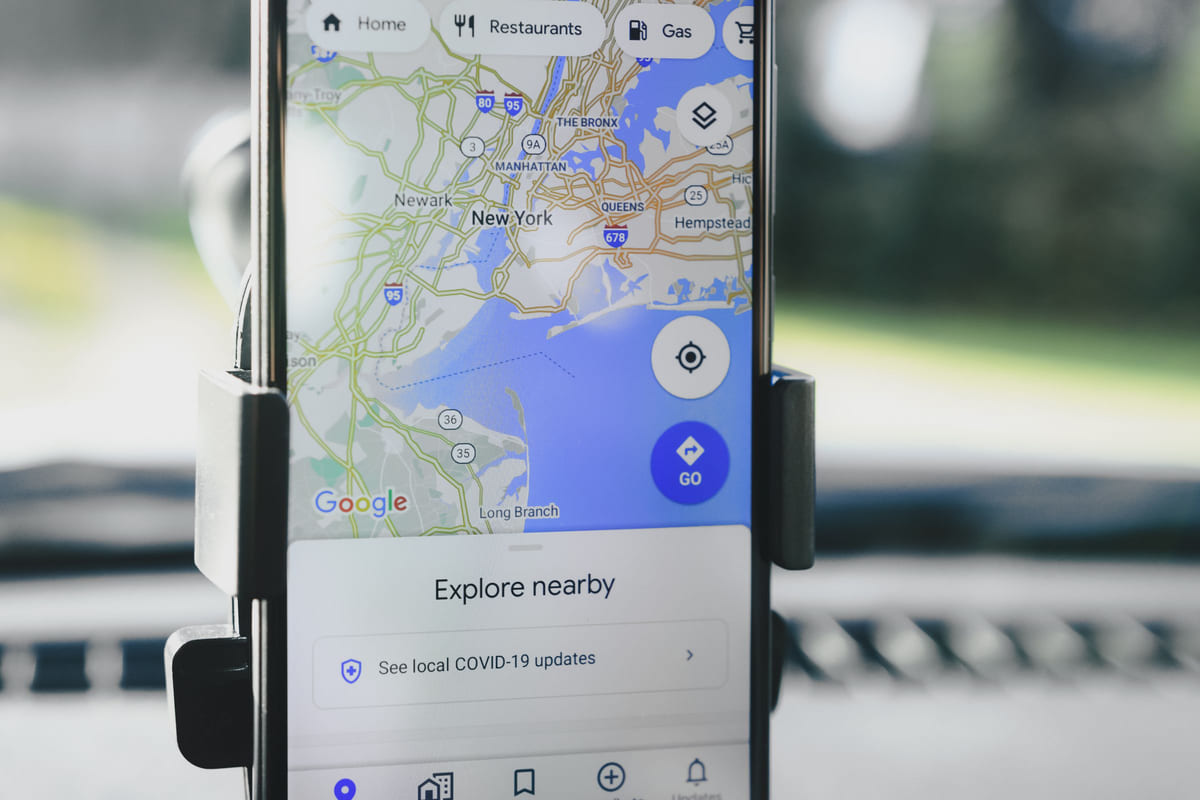
Your Google Business Profile lets you appear in search results and on Google Maps, often before anyone reaches your website. It carries your hours, photos, reviews and a button to call or get directions. For most local businesses, it's the single most important profile you'll have, and it costs nothing to set up.
Google ranks those profiles on relevance, distance and prominence. The first two are mostly about what you do and where you are. Prominence is about how well known and trusted you seem, and that's where the rest of the web comes in. Our local SEO guide explains all three.
What directories add
They vouch for you
Every directory profile that lists the same name, address and phone number as your Google profile is another source confirming the details. When the references agree, Google can be more confident about you. When they don't, say one site has your old suite number and another a disconnected line, confidence drops. This guide on matching your details shows how to keep the references in line.
They reach people Google doesn't
Not every customer starts on Google. Some go straight to Yelp to pick a restaurant. Homeowners might search Angi or Nextdoor. Couples planning a wedding browse wedding sites. Patients look up doctors on health directories. Each platform is its own doorway, and some customers only use one.
They often bring buyers who are further along
Someone browsing a trade directory for "kitchen remodelers in Raleigh" isn't idly curious. They're comparing options for a project they've already decided to do. Directory visitors are often closer to deciding than someone typing a broad question into Google, which can make those leads more valuable even when there are fewer of them.
They show up in Google too
Directory pages regularly rank in Google's own results for searches like "best plumbers in Tucson." A good directory profile can get you on the first page through someone else's site while your own site is still building strength. Here's a broader look at what directory profiles do for you.
How the two feed each other
It runs in a loop:
- 1Directory profiles confirm your details
- 2Google trusts you more
- 3You rank higher on the map
- 4More people find you
- 5More reviews and mentions everywhere
That's why "Google or directories" is the wrong question. Each makes the other stronger. Our explainer on what a business directory is goes into how they're built.
The order to set them up
Google Business Profile first.
Claim it, verify it, fill every field, add real photos and start asking for reviews. Nothing else gives you as much local visibility as quickly.
A general directory next.
Add your business to Listings Junkie using exactly the same details as your Google profile.
The map apps Google doesn't own.
Apple Business Connect and Bing Places cover iPhone users and Microsoft search.
Your trade's own platforms.
Work through our list of directories worth claiming and pick the ones your customers actually use.
A full consistency pass.
Search your business name and phone number, then fix any profile where the details don't match.
So which one sends you more customers?
Honestly, it depends on your business, and you can find out. Google will almost always send more total traffic. Directories may send fewer people who are more ready to buy. To see what's true for you:
- Ask new customers how they found you, and write it down. It's low-tech and very reliable.
- Check your Google profile's performance numbers for calls, direction requests and website clicks each month.
- Look at your website analytics to see which directories send visitors.
- Use the stats some directories provide on views and contacts.
After two or three months, you'll know which platforms pull their weight. Keep those polished and stop spending time on the ones that send nothing.
The takeaway
Google is where most local searches happen, and directories are part of how Google decides who to show. Directories also reach people who never start with Google at all. Businesses that treat the two as one system tend to outgrow those that rely on one alone, as this piece on growth from listings shows. Start with Google, back it up with your Listings Junkie profile and a few well-chosen directories, and keep them all telling the same story.
List your business for free
Create a verified listing on Listings Junkie and give the customers in your area one more place to find your business name, address, phone and website.