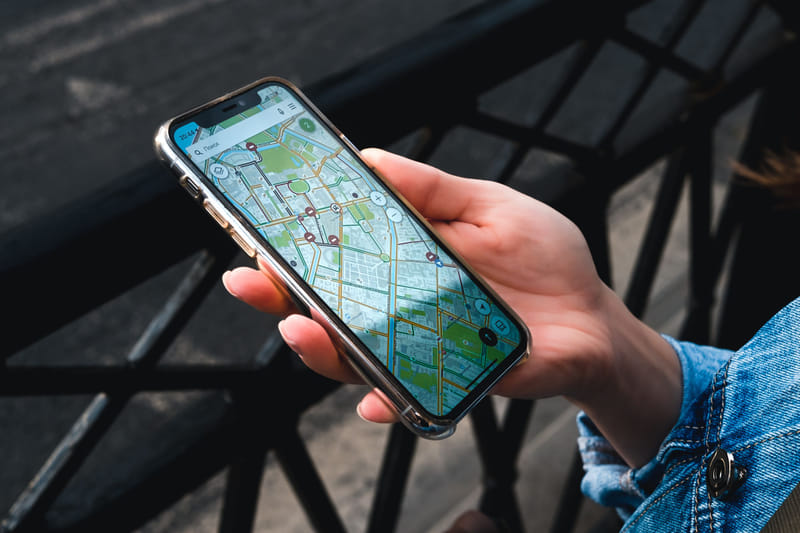
Search a local service, like "tire shop" or "family dentist," and the page shows two different kinds of results. Near the top there's a map with a few businesses beside it. Below that come the regular website links, sometimes called the blue links. They're two separate scoreboards, ranked by different rules.
Getting onto the map is usually called local SEO. Getting a website to rank in the regular results, often nationally, is traditional SEO. Both matter, but most small businesses should start with one of them, and picking the wrong one means a lot of effort with little to show for it.
Two scoreboards, two sets of rules
| The map results (local SEO) | The blue links (traditional SEO) |
|---|---|
| You compete with businesses near you | You can compete with websites anywhere |
| Driven by your Google profile, listings, reviews and matching details | Driven by your website's content, links from other sites and technical health |
| Shows your phone, hours, rating and directions right on the page | Shows a page title and short description; the visit happens on your site |
| Distance from the searcher matters | Location may matter little or not at all |
| Changes often show up sooner | Usually a longer climb, especially for competitive topics |
For local results, Google says it weighs relevance, distance and prominence. For regular results, it looks mostly at how useful and trustworthy a page seems for the search. Our explainer on local SEO covers the local side in more depth.
Which one do you need? Six examples
A neighborhood bakery
Customers live within a few miles and want to know what's open now. Local search, almost entirely. A complete Google profile, photos of the case, accurate hours, directory listings and reviews do most of the work.
A bakery that also ships cookies nationwide
Two businesses under one roof. Local search for the shop, traditional SEO for the shipping side. The storefront needs its map profile; the online store needs product pages and content that can rank for searches like "gourmet cookie gift box."
A one-office law firm
Clients usually hire nearby. Local search first, plus helpful practice-area pages on the website that answer common questions. Those pages support both scoreboards.
A regional HVAC company with three locations
Local search for each location, with its own profile, address, phone and reviews, plus service and area pages on the website.
A mobile dog groomer
No storefront, but a clear service area. Local search, set up as a service-area business, with the towns listed and the home address hidden. Here's how to set that up.
An online course creator
Customers can be anywhere. Traditional SEO. A map profile may not even apply. The work is content, links and a strong website.

Quick test: which side are you on?
You mainly need local search if:
- Customers come to your location, or you go to theirs
- You serve a specific city, county or radius
- People find you by searching "near me" or your service plus a town
- Your phone number and hours matter to buyers
You mainly need traditional SEO if:
- You sell to customers anywhere in the country
- Most of your sales happen online
- Where the customer lives doesn't matter to the sale
Most local businesses check the first list. For them, the map is where the action is, and this scorecard for breaking into the top map results shows how to compete.
Where the two overlap
You don't have to choose forever. Plenty of work helps on both scoreboards:
- Directory profiles confirm your details for local search and can send visitors and links to your website. Here's what directory profiles do for you.
- Helpful pages on your website, like service explanations, FAQs and local guides, can rank in regular results and give your local profile more context.
- Reviews build trust on the map and make people more likely to click any result with your name on it.
- A fast, phone-friendly website helps visitors from either side.
A sensible path for most local businesses: start with the map, then build out the website over time.
Why local usually comes first for small businesses
On the map, a small business competes with a few dozen neighbors, not the whole internet. A new shop with a complete profile, a steady flow of reviews and consistent listings can sometimes appear above long-established competitors who've let their profiles slide. Ranking a website for a broad, competitive topic is usually a much longer road. This look at the local search timeline explains what affects the pace.
Questions owners ask
Do I need to hire an SEO company for either one?
Not to get started. The map basics, like a complete profile, matching listings and steady reviews, are things most owners can handle themselves. Traditional SEO for competitive national topics is more technical, and that's where outside help is more often worth it.
If I'm on the map, does my website still matter?
Yes. Many people check a website before calling, especially for bigger purchases. And a good site gives search engines more detail about your services and area, which helps your map profile too.
Can I rank on the map in towns where I don't have an office?
Map results lean heavily on distance, so it's harder. If you travel to customers, set up a service area. Then write genuinely useful pages on your website about the work you do in those towns, which can help in the regular results.
What about AI-written search summaries?
They draw on the same kinds of signals: accurate profiles, consistent listings and helpful pages. Here's how they treat local businesses.
Getting started on the map
- Claim and complete your Google Business Profile; this guide covers claiming and verifying
- Create your Listings Junkie profile and add the core platforms from our list of directories worth claiming
- Make your name, address and phone identical everywhere; here's why
- Start asking every happy customer for a review
- Make sure your website works well on a phone
Our guide to climbing the Google Maps rankings and local SEO for small businesses cover the next steps. Once the map side is running smoothly, you'll have a solid base for whatever website work comes next.
List your business for free
Create a verified listing on Listings Junkie and give the customers in your area one more place to find your business name, address, phone and website.