
Plenty of cleaning companies do beautiful work and still have gaps in the schedule, while a competitor who cuts corners stays booked solid. The difference is rarely the quality of the clean. It's what happens on a customer's phone before anyone picks up the phone to call.
To see where bookings slip away, follow one customer. Call her Dana. She's moving out of a two-bedroom rental in Charlotte at the end of the month and needs the place spotless to get her deposit back. She has a few minutes on her lunch break. Here is every spot along her search where a cleaning business can lose her, and how to plug each leak.
Leak one: she never sees you at all
Dana opens a map and searches "move out cleaning near me." A lot of independent cleaners aren't there. They live on referrals, a Facebook page and maybe a simple website, which means anyone searching a map or directory simply never meets them.
Directory profiles fix that directly, and they help in a second way too. Each profile repeats your business name, phone and location on another trusted site, which is part of how search engines judge whether to show you in local results.
Many cleaners hold back because they run the business from home and don't want their address on a map. You don't have to show it. Most major platforms let a business that travels to customers hide the street address and list the cities or ZIP codes it serves instead. Set your service area to match where you'll realistically drive, and name those towns in your description as well. This guide to listing a business without a storefront walks through it.
Leak two: she sees three versions of you
Suppose you're on Google as "Sparkle Squad Cleaning," on Yelp as "Sparkle Squad LLC," and on an old directory as "SSC Home Services" with a phone number you stopped using. To Dana, that looks like three different outfits, maybe one of them out of business. To search engines, it can look like three uncertain records instead of one solid business, and the trust you've built gets split between them.
This happens a lot in cleaning, because profiles get set up at different times by different people as the company grows.
Leak three: your description doesn't mention what she needs
Dana didn't search "cleaning company." She searched "move out cleaning." Your profile says "Professional residential and commercial cleaning services." It's not wrong, but it doesn't match her words, and it gives her no reason to think you handle move-outs.
Cleaning customers search for specific jobs. A few common ones:
- Move-in and move-out cleaning
- Deep cleaning, including inside ovens and fridges
- Recurring weekly or biweekly house cleaning
- Vacation rental turnovers between guests
- Post-construction or post-renovation cleanup
- Office and small commercial cleaning on a contract
Leak four: she can't see your work
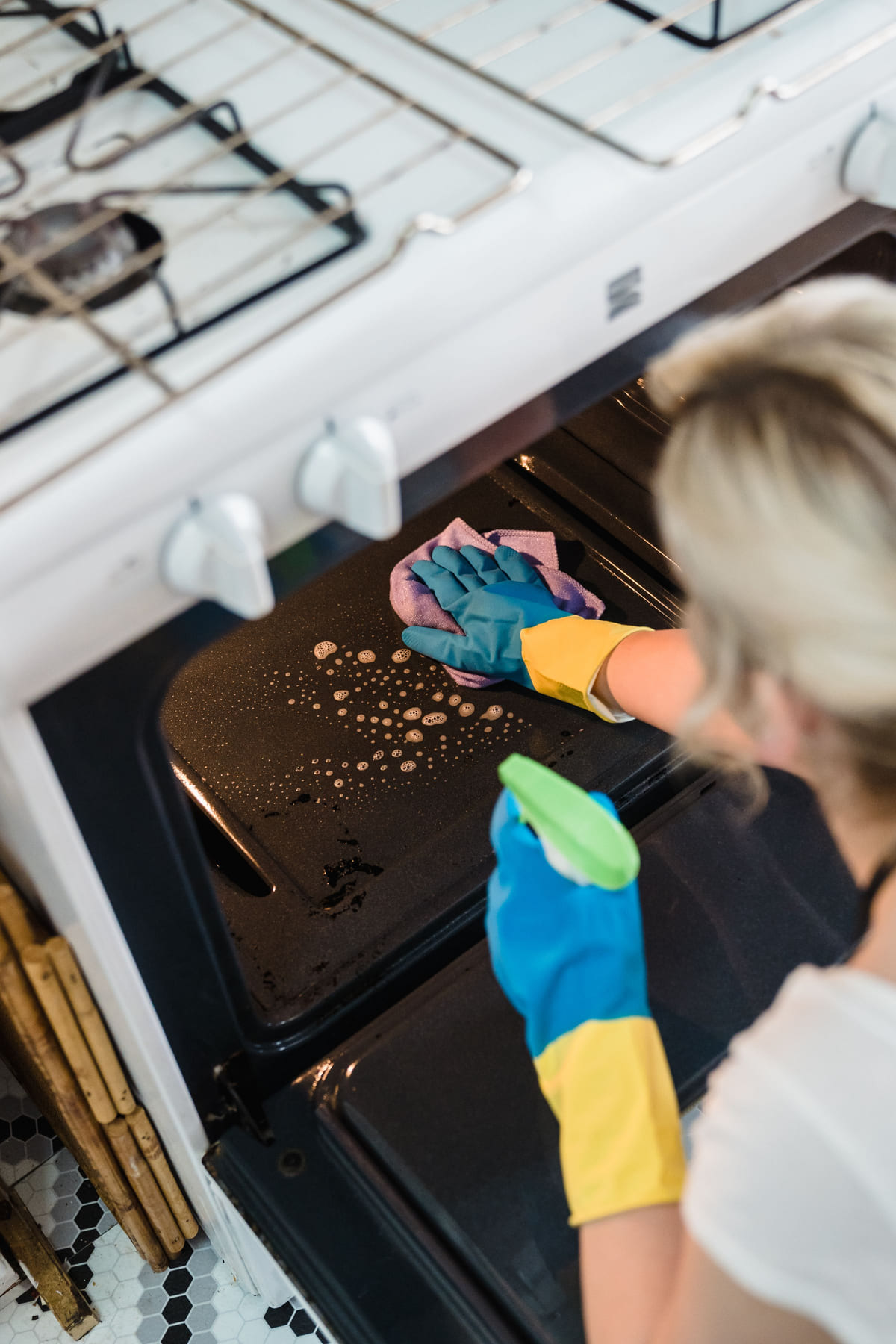
Dana is about to give a stranger a key to her apartment, and her deposit depends on the result. A profile with no photos asks her to just trust you. A profile with clear before-and-after pictures of a greasy stovetop, a stained tub and a bare kitchen made spotless lets her see the standard before she calls.
Leak five: the rating looks thin
Two cleaners show up side by side. One has dozens of recent, detailed reviews mentioning move-outs and deposits returned. The other has three reviews from two years ago. Dana picks the first, even if the second does better work. Reviews matter for ranking too, and they're the main way a stranger decides whether to trust you.
Most cleaning businesses with few reviews aren't doing bad work. They just never ask.
Leak six: a complaint sits unanswered
Dana scrolls down and finds a one-star review: "They missed the baseboards and never called me back." No reply. She doesn't know whether that was a fluke or a pattern, and silence makes it look like a pattern.
A calm, specific reply changes the story. Something like: "We're sorry the baseboards were missed. That's not our standard. We'd like to come back and make it right; please call us at the number on this page." Readers often come away trusting a business more after seeing it handle a problem well.
Leak seven: she searched somewhere you're not
Dana's sister uses Nextdoor. Her coworker swears by Yelp. Her landlord keeps a list from a home-services site. If you exist only on Google, you miss each of those audiences, and you have fewer outside sources confirming your business.
Find your leaks in fifteen minutes
Before fixing anything, check where you stand:
- Search your business name and note every site where it appears
- Compare the name on each one, letter for letter
- Compare the phone number on each one
- Count your total reviews and when the newest arrived
- Count the photos on your Google profile
- Look for any critical review without a reply
- List the platforms where you have no profile yet
Some cleaning companies will find all seven leaks. Others will find two. Either way, you'll know where to start. Most owners can plug every one in a single afternoon, and the effect builds over the following months.
For the wider picture, see local SEO for small businesses and how steady listing upkeep drives growth. Then make sure the next Dana finds you first.
List your business for free
Create a verified listing on Listings Junkie and give the customers in your area one more place to find your business name, address, phone and website.