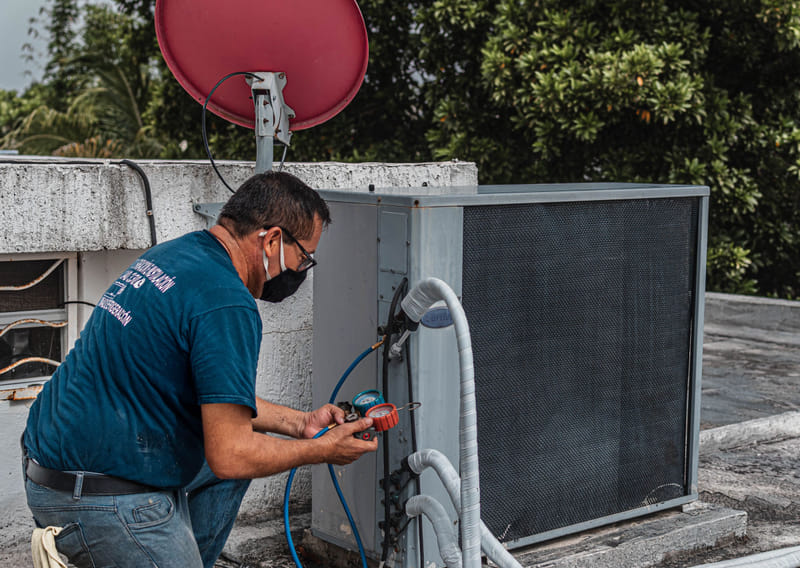
It's ninety-something outside, the house is creeping toward eighty, and the vents are pushing air that feels more like a sigh than a breeze. An AC not cooling in the middle of July is one of the most stressful things a homeowner deals with, partly because every repair company in town is slammed at the same moment. Before you call, spend fifteen minutes on a few safe checks. Sometimes the fix is a filter or a switch, and when it isn't, you'll know exactly what to tell the technician.
Why is my AC not cooling? Start with the simple stuff
Most no-cool problems in summer come down to a short list of causes: airflow, power, drainage, or a mechanical part that has worn out. The first three you can often check yourself. The last one belongs to a professional. Work through the list below in order and stop the moment something looks unsafe.
One rule before you start: if you smell burning, see scorch marks, or hear loud grinding or banging, turn the system off at the thermostat and skip straight to calling for service.
Seven checks to make before you call for AC repair
1. The thermostat
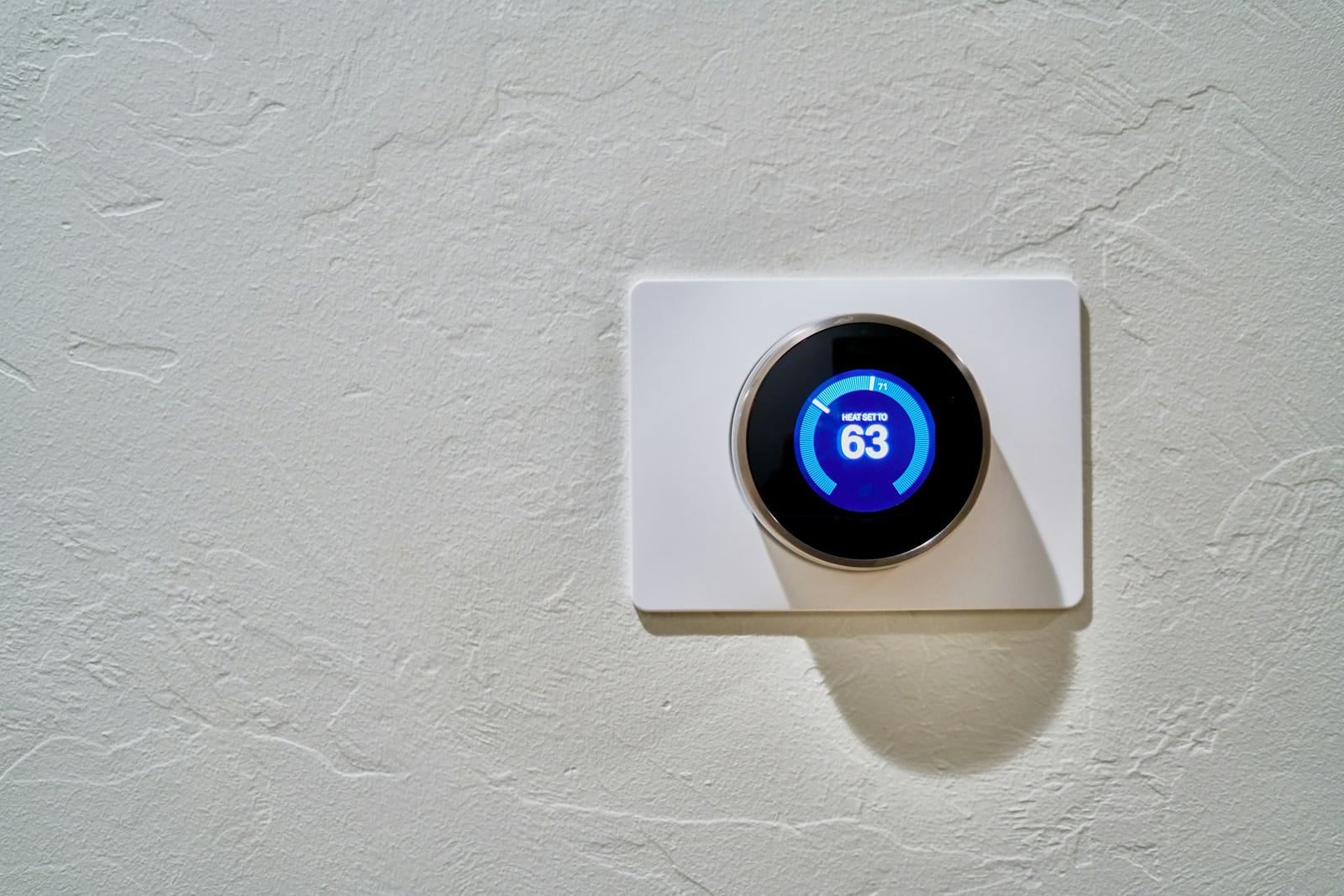
It sounds too obvious, but it catches people every summer. Make sure the thermostat is set to Cool, not Heat or Fan, and that the set temperature is several degrees below the room temperature. If it runs on batteries, a weak battery can leave the screen looking fine while the unit stops sending a signal. Swap the batteries and give it a few minutes.
Check the fan setting too. "On" runs the blower nonstop, even when the system isn't actively cooling, which can make the air feel warm between cycles. "Auto" is the usual choice.
2. The breakers and the outdoor disconnect
Central air usually has two power points: a breaker in the main panel and a disconnect box on the wall near the outdoor unit. If a breaker has tripped, reset it once. If it trips again, leave it off. A breaker that keeps tripping is telling you something is wrong, and resetting it over and over can make things worse.
3. The air filter
A clogged filter is one of the most common reasons an air conditioner can't keep up. When air can't get through, the system moves less of it, cools less, and can even freeze up. Pull the filter out and hold it to the light. If you can't see through it, replace it. Plenty of households change filters every one to three months in summer, more often with pets or dust from a remodel, but your system's manual is the best guide.
4. The outdoor unit
The outdoor unit, called the condenser, has to get rid of the heat it pulls out of your house. If it's packed with grass clippings, cottonwood fluff or leaves, or a shrub has grown right up against it, it can't do that job. With the power off at the disconnect, clear debris and trim plants back so there's open space on all sides.
Then turn the power back on and watch. When the system is calling for cool, the big fan on top should spin. If the unit hums but the fan doesn't turn, that's a call for a technician.
5. Ice on the lines or the indoor coil
Frost or ice on the copper line going into the house, or on the indoor coil, usually points to low airflow or a refrigerant problem. Don't chip at it. Set the system to Off and the fan to On so it can thaw, which can take a few hours, and put a towel down for the meltwater. If it freezes again after you've replaced the filter, you need a pro.
6. The condensate drain line
Your AC pulls water out of the air and sends it down a drain line. When that line clogs with algae or sludge, many systems have a float switch that shuts cooling off to prevent a leak. Look for standing water in the pan near the indoor unit, or a line outside that isn't dripping while the system runs. Some homeowners clear a simple clog with a wet-dry vacuum at the outdoor end of the line. If you're not sure where the line runs, leave it for the technician.
7. Vents and returns
Walk the house. Closed supply vents, a sofa pushed against the big return grille, or a door that stays shut all day can starve the system of air. Open things up. Closing vents in unused rooms usually doesn't save much with central air, and it can throw off the balance of the whole system.
When to stop troubleshooting and call an HVAC technician
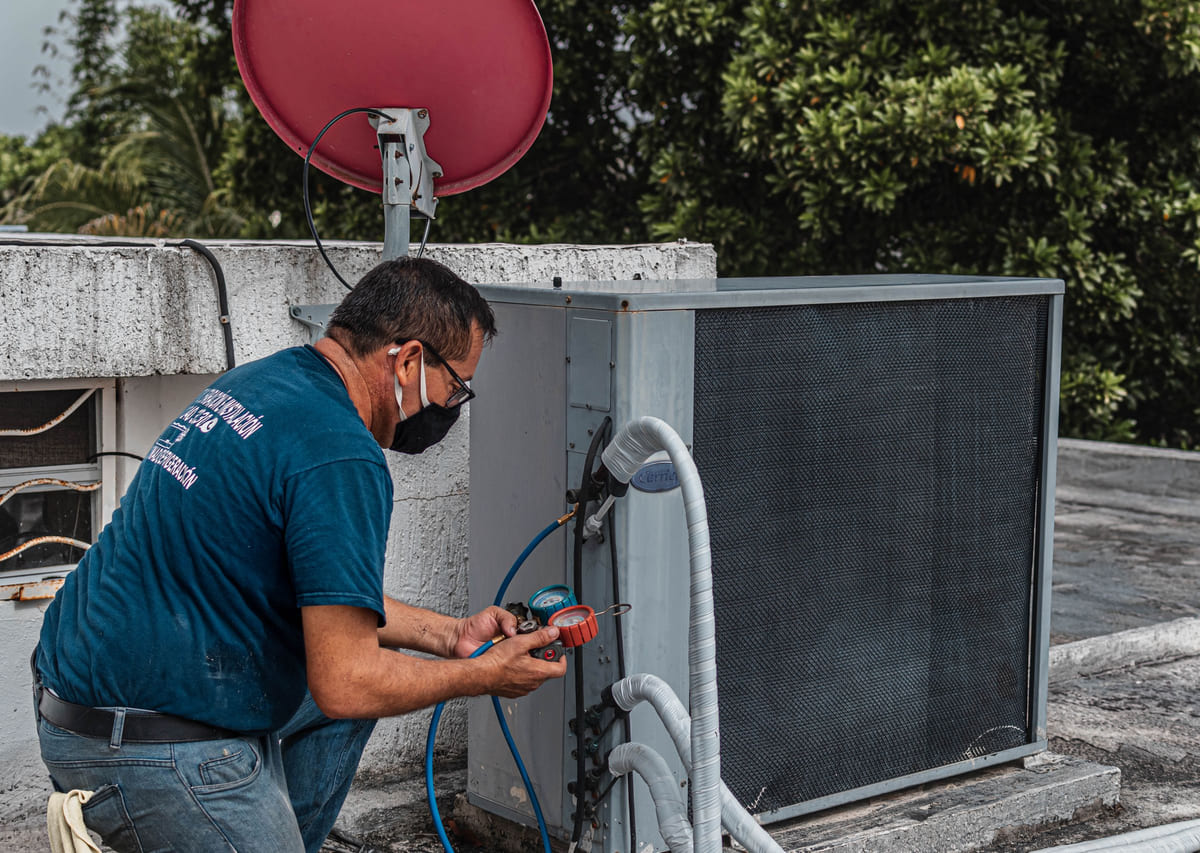
Some problems aren't do-it-yourself territory, and pushing on can be dangerous or expensive. Call for service if any of these are true.
- The breaker trips again after one reset.
- You smell burning or see melted wire insulation.
- The outdoor unit hums, clicks or buzzes but won't start.
- The coil keeps freezing even with a clean filter.
- Water is leaking where it shouldn't be.
- The system runs nonstop and the house never gets near the set temperature.
Refrigerant work in particular belongs to trained pros. Technicians who handle refrigerant must be certified under EPA rules, and "just topping it off" without finding the leak is a short-term patch at best.
How to find AC repair help fast in peak season
In a heat wave, the companies with the shortest waits aren't always the biggest. Smaller local shops sometimes have openings when the large call centers are booked days out. A few ways to find them:
- Browse the AC repair category on Listings Junkie, or go straight to your state, such as AC repair in Texas, Florida or Arizona, where summer cooling is not optional.
- Read what each company says it does. Ocala Pro AC Repair, for example, is listed on Listings Junkie with emergency AC repair, AC maintenance and thermostat replacement among its services. The Coolest LLC, an Austin HVAC business listed on the site, mentions free estimates and annual maintenance contracts.
- Call two or three. Ask when they can come, what the service call fee is, and whether that fee is applied to the repair.
The same trust checks that apply to any trade apply here. Our guide on how to choose a plumber you can trust walks through licensing, insurance and written estimates, and nearly all of it carries over to heating and cooling.
What to tell the technician when you call
You'll get a faster, more accurate visit if you can describe what you've seen. Jot down:
- What the system is doing: blowing warm air, not turning on, running nonstop, or short-cycling (turning on and off every few minutes).
- What you've already checked: filter, breakers, thermostat batteries.
- Any ice, water, noises or smells, and where you noticed them.
- The age of the system if you know it, plus the brand and model number from the label on the outdoor unit.
Ask for a written estimate before any major repair, and ask the technician to show you the failed part. A good tech is happy to explain what broke and why.
Keeping it cool: a little maintenance goes a long way
Many of the breakdowns above are less likely on a system that gets regular care. Change filters on schedule, keep the outdoor unit clear, and think about a yearly tune-up in spring, before the first heat wave, when companies are less busy. Many HVAC businesses offer maintenance plans, so ask what a visit includes before you sign up.
If your system is getting older and the repairs keep stacking up, ask the technician for an honest comparison of repairing versus replacing. Costs vary by area and job, so get more than one opinion on any big decision.
Frequently asked questions
Why is my AC running but not cooling the house?
The usual suspects are a dirty filter, a blocked outdoor unit, a frozen coil, or low refrigerant from a leak. Check the filter and outdoor unit first. If those look fine, call a technician.
Is it safe to run my AC if the coil is frozen?
No. Turn cooling off and run the fan to thaw the ice. Running a frozen system can damage the compressor, which is one of the most expensive parts to replace.
How long should it take an AC to cool a house?
It depends on the size of the home, the outdoor temperature, insulation and the system itself. On the hottest afternoons, even a healthy system may only hold the house steady rather than drop it fast, so look for gradual progress, not instant cold.
Should I call for emergency AC repair at night?
If someone in the home is elderly, very young, or has a health condition that makes heat dangerous, yes. Otherwise, close the blinds, run fans, drink water, and call first thing in the morning, when regular rates may apply.
List your business for free
Create a verified listing on Listings Junkie and give the customers in your area one more place to find your business name, address, phone and website.