
For most people, picking a restaurant means choosing a cuisine and a price range. For anyone eating out with food allergies, celiac disease or a religious or ethical diet, it means homework. Is there anything safe on the menu? Will the kitchen take a request seriously? Will the server know the answer or just guess?
The good news is that a few minutes of checking before you go makes a huge difference. Here's how to vet a restaurant ahead of time, what to ask and how to order with confidence.
This is general information, not medical advice. If you have a serious allergy, talk with your doctor or allergist about what's safe for you, and always carry any medication they've prescribed.
Before eating out with food allergies, know what you need to ask
It helps to be clear, for yourself and for the restaurant, about what kind of need you have:
- A food allergy can cause a serious reaction even from a small amount, so cross-contact matters.
- Celiac disease means gluten has to be avoided strictly, including crumbs and shared surfaces.
- An intolerance or sensitivity may be uncomfortable but is usually less urgent.
- A dietary rule, such as halal, kosher, vegetarian or vegan, is about what the food is and how it's prepared.
Restaurants handle each of these differently. Saying "I have a severe peanut allergy" gets a different response from the kitchen than "I don't eat peanuts," and it should.
What is cross-contact?
Cross-contact happens when an allergen gets onto food that doesn't contain it, through a shared fryer, cutting board, grill, utensil or glove. A dish can be free of an allergen on paper and still not be safe if it's cooked next to it.
Check the restaurant before you go
Read the menu and the description
Start with the restaurant's own menu and description. Some restaurants mark dishes as vegetarian, gluten-free or containing nuts. Others say a lot about their focus in a single line.
Pepper Tales in San Jose, for example, describes itself as serving 100% Zabiha Halal Indian cuisine. For someone who eats halal, that one line answers the biggest question before they even call.
You can browse restaurants by state on Listings Junkie in the restaurants category and the food and restaurants category, and narrow by state pages like California restaurants.
Look for menus you can customize
Restaurants where you choose each ingredient can be easier for some diets, because you can see what goes in. Hinzi's Kitchen in Germantown, Maryland, describes build-your-own Mediterranean bowls with South Asian flavor, where you choose grains, proteins, sauces and toppings. Its listing also posts its hours, which saves you a wasted trip on the day it's closed.
Customizing doesn't remove the risk of cross-contact, so still ask how the line is set up.
Read reviews with your need in mind
Search a restaurant's reviews for words like "allergy," "gluten," "celiac," "vegan" or "halal." Reviews from people with the same need as yours are some of the most useful information you'll find.
Call ahead at a quiet time
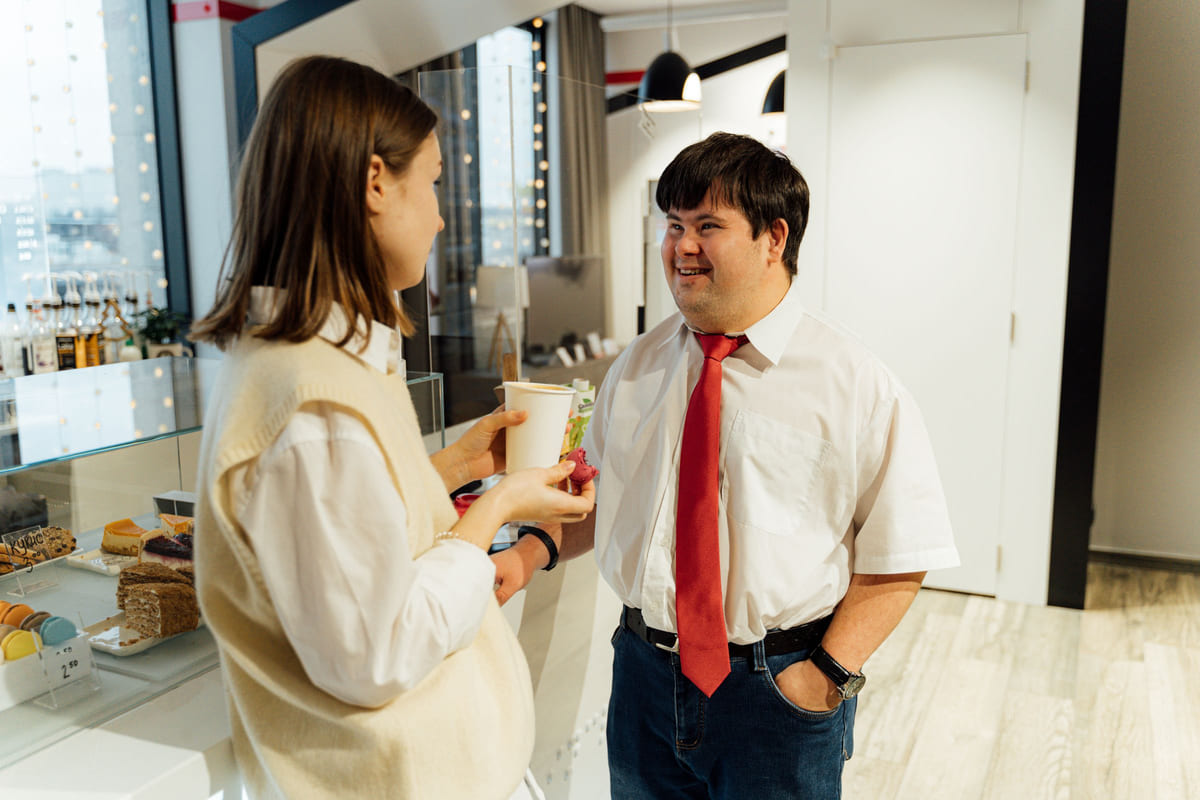
The best time to call is between the lunch and dinner rushes, often mid-afternoon. Ask for a manager or chef if you can. During a busy dinner, even caring staff may not have time to check with the kitchen.
Questions to ask the restaurant
Do you have an allergen list or ingredient information for your menu?
Can the kitchen prepare my dish separately, with clean utensils and surfaces?
Do you use a shared fryer for everything?
What's in the sauces, dressings and marinades?
Can you make substitutions, or are some dishes prepared ahead?
Who should I tell when I arrive, the server or a manager?
For dietary rules: Is the meat halal or kosher, and is it certified? Is the vegetarian dish cooked in meat stock?
Confident, specific answers are a great sign. "I'll check with the chef" is also a good answer. "It should be fine" isn't.
At the table: how to order with confidence
- Tell your server right away, before ordering drinks or appetizers.
- Be specific and calm. "I have a severe shellfish allergy, including cross-contact" is clearer than "no seafood, please."
- Consider a chef card. A small printed card listing your allergies can be handed to the kitchen, which cuts down on miscommunication.
- Keep it simple. Dishes with fewer ingredients and fewer sauces are easier for the kitchen to get right.
- Confirm when the food arrives. A quick "This is the allergy order, right?" is completely reasonable.
- Have your medication with you, if your doctor has prescribed it.
Restaurant styles that can be easier or harder
Every restaurant is different, but some setups tend to be easier for certain diets:
- Build-your-own bowls and salads let you see and choose ingredients.
- Hot pot and shabu shabu, where guests cook ingredients at the table, can let you control what goes into your own pot. Tokyo Pot in Stillwater, Oklahoma, describes guests choosing from broths, meats, seafood and fresh vegetables. Ask whether broths contain allergens and whether you can have your own pot.
- Grilled dishes with simple seasoning are often easier to adjust.
Some setups tend to be harder:
- Buffets, where serving spoons travel between dishes
- Fried food from a shared fryer
- Bakeries and dessert shops for nut and gluten allergies, since flour and nuts are everywhere
When to walk away
It's OK to leave, politely, if staff seem unsure, dismissive or annoyed by your questions, or if you can't get a clear answer. A good meal isn't worth a bad night. Thank them and choose somewhere else.
Say thank you when a restaurant gets it right
When a restaurant handles your needs well, tell them, and leave a review that says so. A review like "They have a separate fryer and the chef came out to talk me through the menu" helps other diners with the same needs find a safe place to eat, and it rewards the restaurant for the extra effort.
If you're new to browsing by category and state, our guide on using Listings Junkie to find local businesses shows how.
Frequently asked questions
Should I call a restaurant before going if I have a food allergy?
Yes, if you can. A quick call at a quiet time lets you ask the kitchen detailed questions and decide whether the restaurant is a good fit before you arrive.
Are gluten-free menu items safe for people with celiac disease?
Not always. Some restaurants label dishes gluten-free without preventing cross-contact. If you have celiac disease, ask how the dish is prepared and whether the kitchen uses separate equipment.
How can I find halal or vegetarian restaurants near me?
Browse restaurant listings by state and read each description, since many restaurants mention halal, vegetarian or vegan food right up front. Then call to confirm details like certification.
What should I do if I have a reaction at a restaurant?
Follow the emergency plan your doctor has given you and call 911 if symptoms are severe. Tell the staff right away so they can help.
List your business for free
Create a verified listing on Listings Junkie and give the customers in your area one more place to find your business name, address, phone and website.