

The worst time to look for an auto repair shop you can trust is on the shoulder of a highway, with a warning light on and a tow truck on the way. The best time is two or three weeks before you leave, when you can ask questions, compare answers and walk away if something feels off.
This guide covers how to find a shop worth keeping, what to ask on the first call, and what a good pre-trip inspection should include before you load up the car for the late-summer drive.
Why it pays to find an auto repair shop you can trust before you need one
When your car breaks down far from home, you take whatever shop is open and whatever price they quote. You have no history with them, no time to get a second opinion and very little room to say no.
Finding a shop ahead of time flips that. You get to choose. You can start with something small, like an oil change or a tire rotation, and see how they treat you. Do they explain things in plain words? Do they call before doing extra work? Is the car ready when they said it would be? A small first job tells you a lot about how a big one will go.
It also gives you a baseline. A shop that has already looked over your car knows its quirks, and that record comes in handy if something goes wrong on the road and you need to describe the problem to a stranger.
What to check before you call a mechanic
A few minutes of homework will narrow a long list down to two or three shops worth calling.
Look for certified technicians
Many good mechanics hold ASE certification, a widely recognized credential in the U.S. that technicians earn by passing tests in specific areas such as brakes, engine repair or electrical systems. It isn't the only sign of skill, and some excellent independent mechanics have decades of experience instead. But a shop that names its certifications is usually proud of its training, and that's a good sign.
If you drive something less common, like a diesel truck, a hybrid or an older European car, ask whether the shop works on that kind of vehicle regularly. A general shop can be great at everyday repairs and still be the wrong fit for a specialty job.
Read auto repair reviews for patterns, not stars
A 4.6 and a 4.8 tell you almost nothing on their own. Read the reviews themselves, especially the recent ones and the unhappy ones. You're looking for patterns:
- Do people mention being called before extra work was done?
- Do customers say the final bill matched the estimate?
- When something went wrong, did the shop make it right?
- How does the owner reply to complaints: calmly, or with an argument?
One bad review is normal for any busy shop. The same complaint showing up again and again is not.
Check that the basics match
Look the shop up in a couple of places. The name, address, phone number and hours should match everywhere. A shop that keeps its information current tends to keep its promises current too.
Browsing the automotive category on Listings Junkie is a quick way to see shops sorted by state, and if your car needs body or paint work rather than mechanical repair, the auto body and collision listings are kept separately.
Questions to ask an auto repair shop on the first call
You can learn a lot in a five-minute phone call. Try these:
Do you work on my make and model often?
A confident, specific answer beats a vague "we work on everything."
Do you give written estimates before starting work?
In many states, you have the right to a written estimate on request. Either way, a good shop offers one without being asked.
Will you call me before doing anything that isn't on the estimate?
The answer should be a clear yes.
What warranty do you offer on parts and labor?
Terms vary from shop to shop, so ask for them in writing.
Can I see or keep the old parts?
Honest shops don't mind. It's a simple way to confirm the work was done.
How soon can you get my car in?
In the weeks before a holiday weekend, the best shops fill up fast.
Pay attention to tone as much as the answers. A shop that rushes you on the phone will probably rush your car too.
What a pre-trip car inspection should cover
Once you've picked a shop, book a pre-trip inspection at least a week or two before you leave. That leaves time to order parts if something needs replacing.
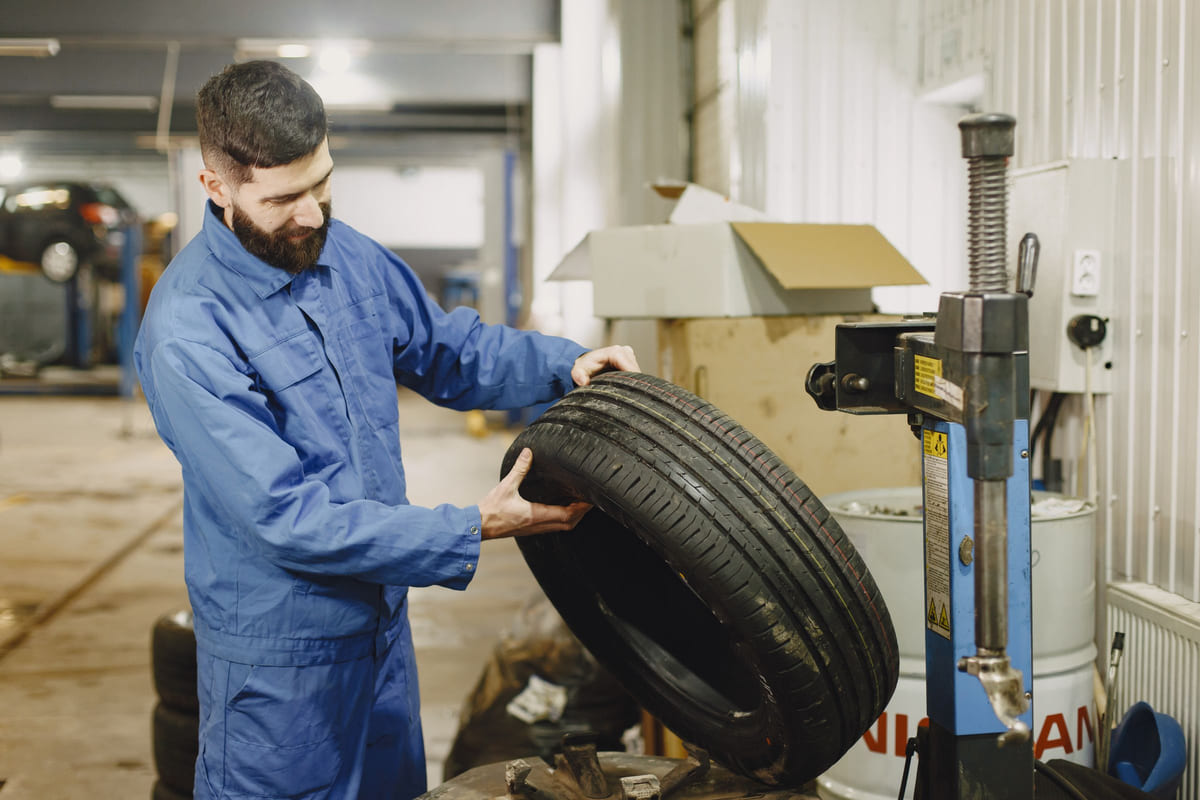
A thorough check usually includes:
- Tires: tread depth, tire pressure, uneven wear and the condition of the spare. Heat and heavy loads are hard on tires, so this matters most in summer.
- Brakes: pad thickness, rotor condition and brake fluid.
- Fluids: oil, coolant, transmission fluid and power steering fluid, plus any leaks under the car.
- Battery: a load test, clean terminals and a secure mount. Summer heat can be tough on an aging battery.
- Belts and hoses: cracks, soft spots or fraying.
- Cooling system and air conditioning: a weak radiator or a struggling AC is miserable on a long, hot drive.
- Lights and wipers: headlights, brake lights, turn signals and blades that actually clear the glass.
Ask the shop to sort what it finds into three groups: needs fixing before the trip, should be fixed soon, and fine for now. A trustworthy mechanic will tell you when something can wait.
Red flags that mean you should keep looking
Most shops are run by honest people who want repeat customers. Still, a few warning signs are worth knowing:
- Pressure to decide on the spot. "This price is only good today" has no place at a repair counter.
- Scare talk without proof. If a part is about to fail, the mechanic should be able to show you why.
- No written estimate. Verbal numbers have a way of growing.
- A long list of urgent extras on a routine visit. Sometimes cars really do need a lot of work. But if every visit turns into a big bill, get a second opinion.
- Information that doesn't add up online. Different names, old phone numbers or a closed address are all reasons to be careful.
If something feels off, it's fine to pay for the inspection and take the estimate somewhere else for comparison.
How to keep a good mechanic once you find one
A good relationship with a shop pays off for years. A few habits help:
- Keep your records. Hold on to receipts and inspection notes in one folder or one photo album on your phone.
- Describe problems clearly. When does the noise happen? Hot or cold? At speed or while turning? The better your description, the faster the fix.
- Go back for small jobs. Oil changes and rotations keep you on the shop's radar, and they get to know your car.
- Leave an honest review. A few specific sentences help other drivers and help the shop.
The same habits apply to any trade you hire. Our guide to choosing a plumber you can trust walks through a very similar process for your home.
If you want a feel for the range of shops listed on Listings Junkie, you'll see everything from neighborhood garages to collision specialists. 1st Stop Auto Repair offers auto repair services in Brooklyn, Advanced Automotive covers repairs and maintenance for all vehicle types around Gainesville and Warrenton, Virginia, and Fatboyz Auto Body & Frame Shop in Kimper, Kentucky, describes itself as locally owned and handling collision repair, auto paint and alignment. You can also browse every shop listed in New York's automotive category or any other state.
Run a repair shop yourself? Our marketing ideas for auto repair shops cover how to make your shop easy to find and easy to trust.
Frequently asked questions
How far ahead of a road trip should I book an inspection?
Two to three weeks is ideal. It gives the shop time to fit you in and leaves room to order parts if something needs replacing. Right before a holiday weekend, book even earlier.
Do I have to use the dealership to keep my warranty?
Generally, no. Under federal law, you can usually have routine maintenance done at an independent shop without voiding a new-car warranty, as long as the work is done properly and you keep your receipts. Check your warranty booklet for the details that apply to your car.
What if the shop finds more problems than I expected?
Ask them to rank the problems by urgency and to show you the worn parts. Fix what's needed for safety before the trip, and get a second quote on anything large that can wait.
Is an independent shop or a chain better?
Neither is better across the board. Independent shops often build closer relationships and may be more flexible, while chains can offer nationwide warranties that help if something fails far from home. Judge each shop on its answers, its estimates and how it treats you.
List your business for free
Create a verified listing on Listings Junkie and give the customers in your area one more place to find your business name, address, phone and website.