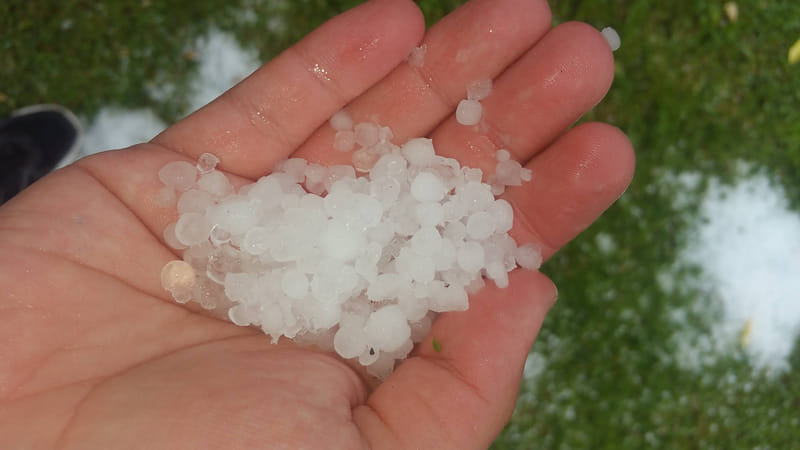
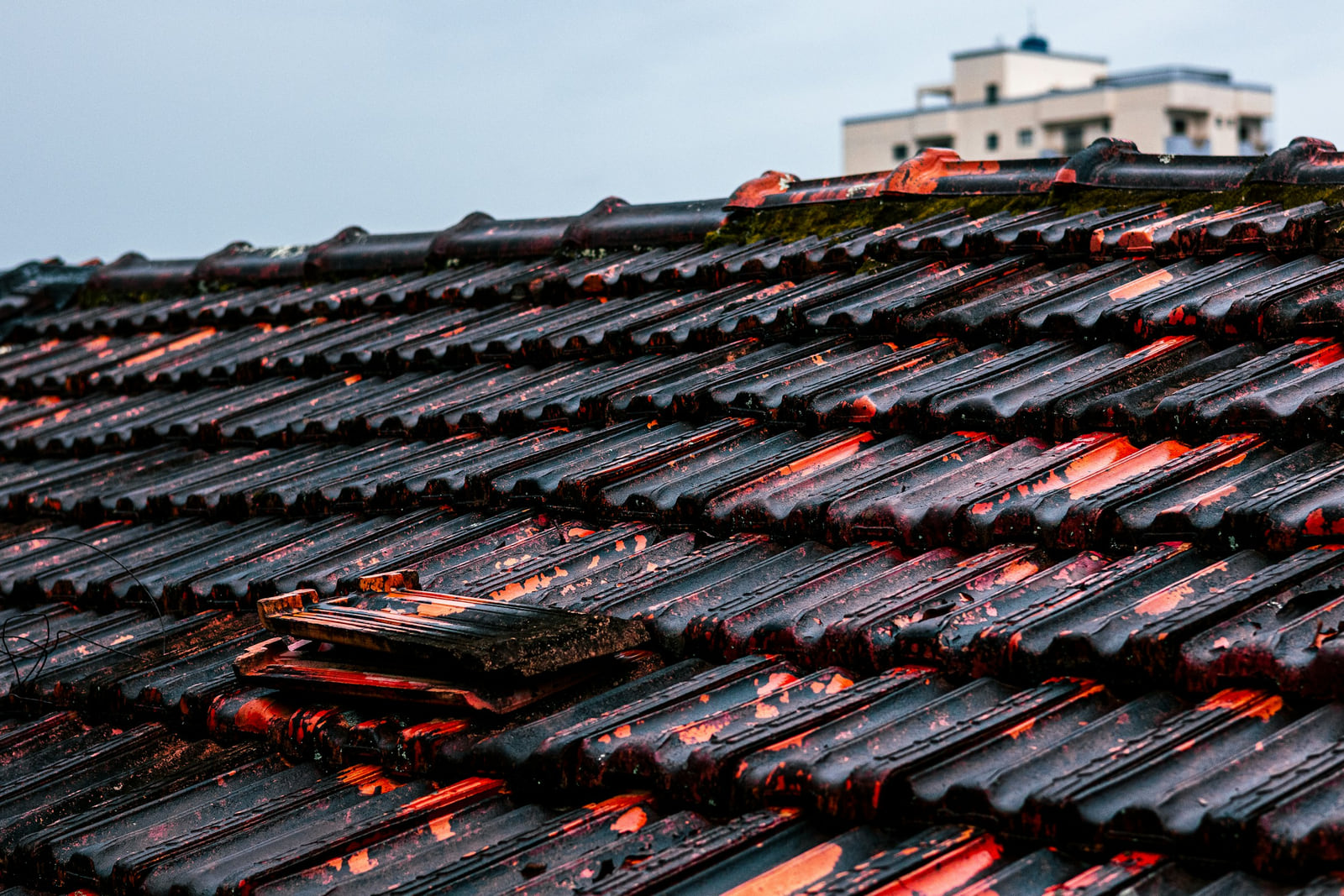
The storm rolls through in twenty minutes. By the next morning there are trucks in the neighborhood, yard signs going up, and someone at your door offering a free roof inspection. Roof storm damage is real, and hail can shorten a roof's life even when nothing leaks yet. But the days after a big storm are also when homeowners are most likely to sign with the wrong contractor. Here's how to check your roof, handle the insurance side and hire a roofer you'll still be glad you chose in five years.
First, stay safe and look from the ground
Don't climb onto the roof. Wet shingles and storm debris make falls more likely, and you can learn a lot from the yard.
- Walk the property and look for missing or lifted shingles, dented gutters and downspouts, and dings in metal vents, flashing or the fins on your outdoor AC unit.
- Check gutters and downspout outlets for piles of shingle granules, which look like coarse dark sand.
- Look at siding, window screens and the deck for fresh dents, tears or chipped paint.
- Check the attic and ceilings for water stains, drips or damp insulation.
- Take photos and video right away, with the date. If you can, photograph hailstones next to a coin or ruler for scale before they melt.
Signs of roof storm damage, and what might be normal wear
Hail and wind leave different marks, and some aging looks a lot like storm damage. A careful inspection sorts it out.
- Hail often leaves dark, bruised spots where granules were knocked off, cracked shingles, and dents on metal parts.
- Wind tends to lift, crease or tear shingles off entirely, often along edges and ridges.
- Leaks show up as stains, drips or wet insulation, sometimes days after the storm.
- Normal aging can include gradual granule loss, curling and blistering, which a roofer or adjuster may treat differently from fresh storm damage.
Because the difference matters for insurance, it's worth getting a qualified roofer's opinion rather than guessing.
If water is coming in
Stop the damage from spreading first.
- Move furniture, electronics and valuables away from the leak, and catch water with buckets or towels.
- Keep water away from light fixtures and outlets. If water is near electrical fixtures, turn off power to that area at the breaker if you can safely reach the panel.
- Have a roofer place a temporary tarp or emergency patch. Keep receipts. Many policies expect homeowners to take reasonable steps to prevent further damage, so check yours.
How to handle the insurance side
Every policy is different, so treat this as general information and talk to your insurance agent about your situation.
- Call your insurer or agent to ask how claims work, what your deductible is, and whether you have a separate wind or hail deductible.
- Ask about deadlines. Many policies set time limits for reporting storm damage.
- Schedule the adjuster's inspection. Some homeowners like to have their own roofer present so both see the same things.
- Read every contract carefully before signing, especially any language that lets a contractor deal directly with your insurance company or receive your claim payment. If something is unclear, ask your agent or an attorney before you sign.
- Be wary of offers to "cover" or "waive" your deductible. In some states it's illegal, and everywhere it's a red flag.
How to spot a storm chaser
Not every roofer who knocks on doors is a bad actor. Some local companies canvass after storms too. But storm chasers follow severe weather from town to town, and they share some telltale habits:
- No local office address, or out-of-state plates on every truck
- Pressure to sign today, before your adjuster comes out
- Promises of a "free roof" or claims they can guarantee insurance approval
- Requests for a large payment upfront, or cash only
- Vague answers about licensing, insurance or permits
- A phone number and website that seem to have appeared last week
Vet every contractor the same way, whether they knocked on your door or you found them yourself.
Hiring a roofer after hail: what to check
Once you've narrowed it down to a few local companies, compare them on the basics.

Local presence.
A real address, a local phone number, and a history in your area. Ask for references from nearby jobs.
License and registration.
Requirements vary. Some states license roofers, some don't, and some cities require registration. Ask what applies where you live and get the number.
Insurance.
Ask for certificates showing general liability and workers' compensation coverage.
A detailed written estimate.
It should spell out tear-off or overlay, materials and product line, underlayment, flashing, ventilation, gutters if included, cleanup, permits and timeline.
Warranties in writing.
Ask about both the manufacturer's warranty on materials and the roofer's own workmanship warranty.
A fair payment schedule.
Avoid paying in full upfront. Tie payments to progress, with the final payment after the work is done and inspected.
Getting two or three estimates is reasonable, even after a storm. Costs vary by area, roof size, materials and damage, and comparing written scopes is the only way to know you're looking at the same job.
Finding local roofers on Listings Junkie
Listings Junkie organizes roofers by state, so it's easy to find companies that already work in your area.
- Start with the roofing category, or go to a state page such as roofers in Texas, Utah or South Carolina. You can also browse all businesses in Texas, where spring and summer hail is a familiar story.
- Green Legacy Roofing, listed on Listings Junkie, offers storm damage restoration and hail damage services for homeowners in Celina, Prosper, McKinney and Frisco. 5 Stars Roofing in Columbia, South Carolina, lists storm damage restoration along with roof repair and replacement. Rooval Roofing in Lehi, Utah, describes itself as family-owned and lists storm-damage inspections alongside repairs and full replacements.
Read each listing, then call and ask the questions above. For more on vetting any contractor, see how to choose a reliable contractor and what makes a business directory trustworthy.
Frequently asked questions
How soon after a storm should I get my roof inspected?
Sooner is better. Small damage can turn into leaks, and many insurance policies set deadlines for reporting storm damage. Check your policy.
Can hail damage a roof that isn't leaking?
Yes. Hail can knock granules off shingles and crack them without causing an immediate leak, which can shorten the roof's life.
Should I let a door-to-door roofer inspect my roof?
You can, but verify the company first and don't sign anything on the spot. Get other opinions before making a decision.
Will filing a storm claim raise my premium?
It depends on your insurer, your state and your claim history. Ask your insurance agent before you file if you're concerned.
List your business for free
Create a verified listing on Listings Junkie and give the customers in your area one more place to find your business name, address, phone and website.