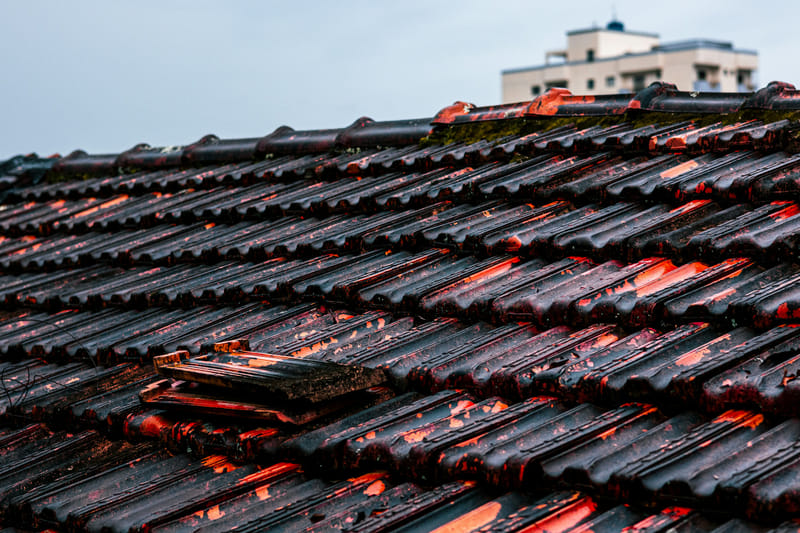
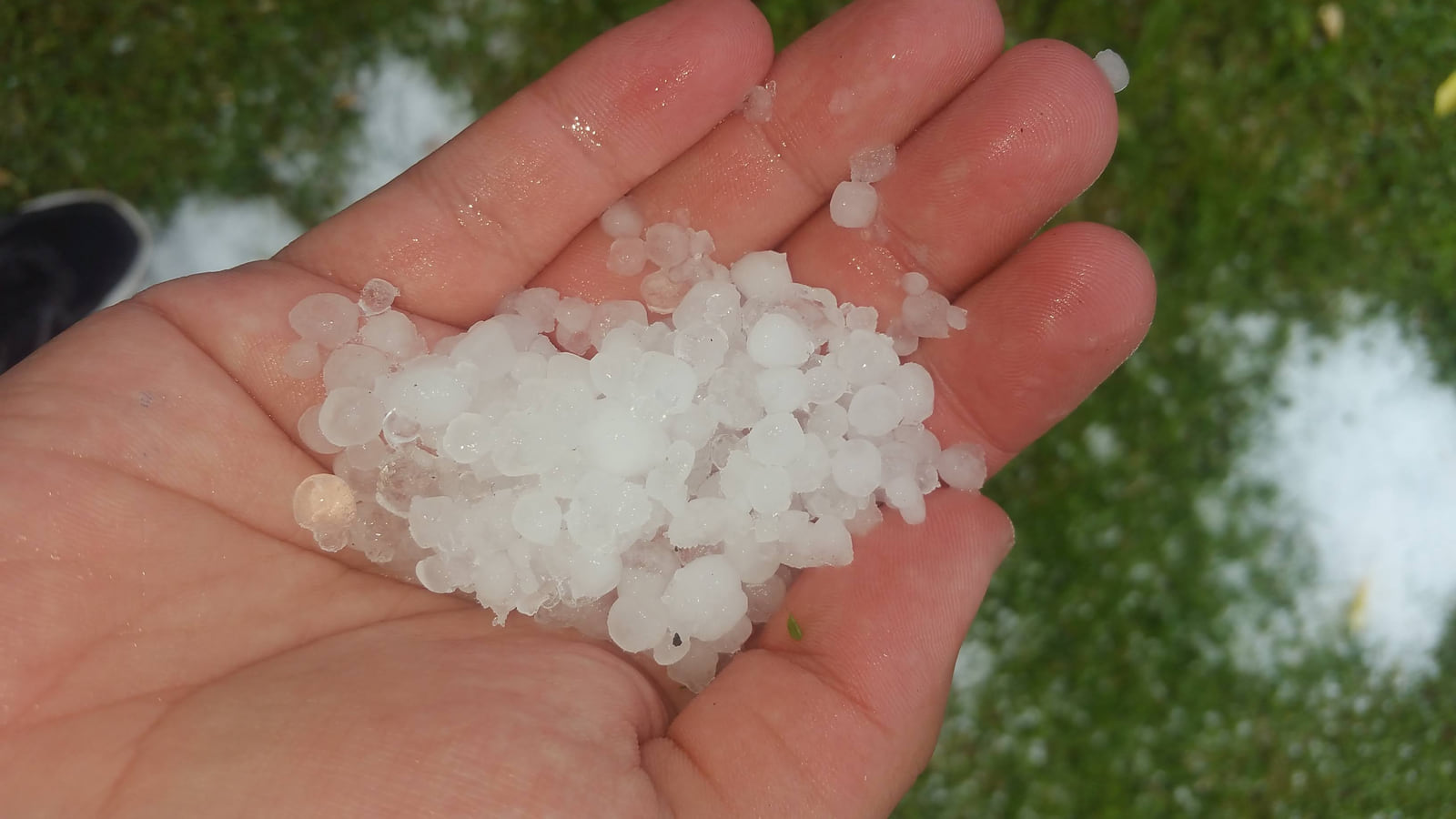
If you have lived along the Front Range for a while, you know the sound: a sudden roar on the roof, ice bouncing off the driveway and the sinking feeling that your car is getting dented. Hail season here usually runs from spring through summer, and one storm can damage roofs, windows, siding, gutters and vehicles in minutes. What you do in the hours and days after a hailstorm in Denver makes a big difference in how smoothly the repairs go.
This guide covers what to do first, which local pros to call and in what order, and how to avoid the storm-chasing contractors who tend to follow the worst storms.
The first hour after a hailstorm in Denver
Before you call anyone, take care of safety and documentation.
Stay safe. Watch for broken glass, downed branches and damaged power lines. Do not climb onto the roof to look. Leave that to a professional with the right gear.
Take photos and videos. Capture damage to the roof (from the ground), windows, siding, gutters, screens, fences and vehicles. If you can, photograph hailstones next to a coin or a ruler for scale. Write down the date and time of the storm.
Stop water if you can do it safely. Cover broken windows with plastic or cardboard, put buckets under drips and move belongings away from leaks.
Do not throw anything away yet. Damaged items may matter for an insurance claim.
Who to call, and in what order
Not every storm calls for every pro on this list. But this order usually makes sense.
1. Your insurance agent or company
Call early to ask how claims work on your policy, what they need from you and whether there is a deadline to report damage. Ask about your deductible and whether your policy treats wind and hail differently from other damage. Every policy is different, so get answers from a licensed agent rather than guessing.
Sater Insurance, listed on Listings Junkie, describes itself as a Denver insurance broker offering personalized coverage and guidance. The Colorado insurance services page lists other local agencies.
2. Emergency help for water inside the house
If hail broke a window or skylight, or the roof is leaking, water can spread into walls, floors and insulation. Fast cleanup can limit the damage.
Restoration Logistics, listed on Listings Junkie, describes water damage and sewage cleanup for homes and businesses in the Denver area. More options are on the Colorado home services page.
3. A roofer for an inspection
Hail damage on a roof is not always obvious from the ground. A roofer can check for bruised or cracked shingles, damaged vents and flashing, and dents in gutters. Ask for a written report with photos.
Browse roofing companies on Listings Junkie and get more than one opinion on any big job.
4. Windows, doors and screens
Cracked panes, broken seals and torn screens are common after hail. A window company can tell you what can be repaired and what needs replacing.
Five Seasons Windows, listed on Listings Junkie, describes window and door replacement suited to Colorado's climate. See other companies on the Colorado windows and doors page.
5. Siding, gutters and garage doors
Dents in siding, gutters and garage doors can be cosmetic, or they can let water in. A contractor can help you sort out which is which. The Colorado construction and contractors page is a good place to look, and garage door companies have their own category too.
6. Your car
Call your auto insurer about vehicle damage, then get estimates from an auto body or dent repair shop. The auto body and collision category lists shops on Listings Junkie.
How to spot a storm chaser
After a big hailstorm, some contractors travel from out of town and go door to door. Many are legitimate. Some are not, and they can leave homeowners with bad work and no one to call when it fails.
Watch for these warning signs:
- Pressure to sign today. A good contractor will give you time to think and compare.
- No local address or references. Ask where the company is based and for local jobs you can see.
- Requests for full payment up front. A reasonable deposit can be normal. Paying everything before work starts is risky.
- Offers to "cover" or "waive" your deductible. Ask your insurance agent before agreeing to anything like this.
- Contracts that hand over control of your claim. Read every document carefully and ask your agent if you are unsure.
- Vague estimates. The scope, materials, price and timeline should all be written down.
For more on avoiding post-storm scams, our guide to lining up local pros before a hurricane covers the same warning signs in another storm-heavy state.
Getting fair estimates
When you compare roofers, window companies or contractors, look past the bottom line.
Compare the scope.
Is each estimate covering the same work?
Compare materials.
Ask what brand and grade of shingles, windows or siding each one uses.
Ask about warranties
on both the materials and the work.
Ask who handles any permits
the job needs.
Confirm insurance.
Ask for proof that the contractor carries it.
Our guide on how to choose a reliable contractor or electrician has more questions worth asking. On Listings Junkie, listings are confirmed by email and checked before they go live, and customer reviews are confirmed by email.
Getting ready for the next storm
Once the repairs are done, a few steps can reduce the damage next time:
- Ask your roofer about impact-resistant shingles if you are replacing the roof.
- Park in a garage or under cover when storms are forecast.
- Keep tarps and plastic sheeting on hand for quick window covers.
- Save the numbers of the pros who did good work for you.
You can find more local companies on the Colorado businesses page.
Frequently asked questions
When is hail season in Denver?
Hail along the Front Range is most common from spring through summer, though storms can happen outside that window.
Should I call my insurance company or a roofer first?
Many homeowners call their insurance agent first to learn how the claim process works, then schedule a roofer to inspect. If water is coming in, deal with that right away.
How can I tell if a contractor is a storm chaser?
Be cautious with door-to-door offers, pressure to sign quickly, no local address, requests for full payment up front and offers to waive your deductible. Ask for local references and a written contract.
Can hail damage a roof without visible signs from the ground?
Yes. Some hail damage, like bruised shingles, is hard to see from below. A roofer can inspect safely and document what they find.
List your business for free
Create a verified listing on Listings Junkie and give the customers in your area one more place to find your business name, address, phone and website.