
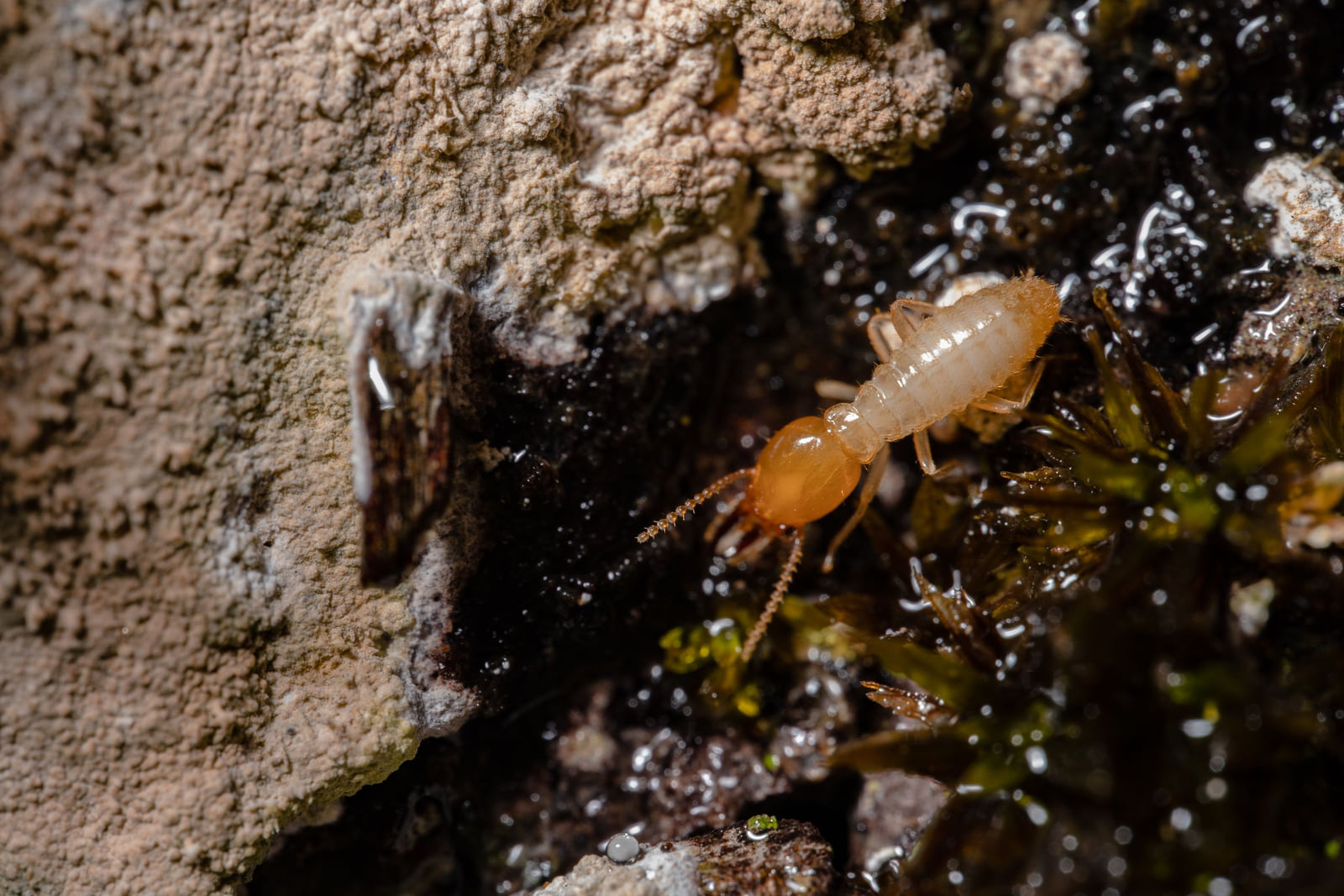
It usually happens on a warm spring day, often right after a rain. You walk into a room and find dozens of small winged insects crawling on a window, or a little pile of shed wings on the sill. Welcome to termite swarm season. It's alarming, but it's also useful information. A swarm tells you a colony is nearby, and knowing what to do next can save you a lot of money and worry.
What is termite swarm season?
Termite colonies grow quietly for years. Once a colony is mature, it sends out winged reproductive termites, often called swarmers, to fly off, pair up and start new colonies. For subterranean termites, the most widespread kind in the U.S., many swarms happen in spring on warm days after rain, though timing varies by region and species. Some kinds swarm later in the year, and some swarm in the evening and gather around lights.
Where you see the swarm matters:
- Outdoors, near a stump, woodpile or fence post, it means a colony is in the area. Not necessarily in your house, but close enough to take seriously.
- Indoors, it's a strong sign that a colony is living in or under the structure, since the swarmers emerged from somewhere inside.
Termite or flying ant? How to tell the difference
Flying ants swarm in spring too, and they're easy to confuse with termites. Take a close look, or snap a photo through a magnifying glass.
- Antennae. Termite antennae are straight. Ant antennae are bent at an elbow.
- Waist. Termites have a thick, straight body with no pinch. Ants have a narrow, pinched waist.
- Wings. Termites have two pairs of wings that are about the same length and longer than the body. Ants' front wings are noticeably longer than the back ones.
- Shed wings. Termite swarmers drop their wings quickly. Piles of identical, see-through wings on sills and floors point toward termites.
If you're not sure, collect a few in a sealed plastic bag or on a strip of clear tape. A pest control technician can identify them in seconds.
Other signs of termites to look for
Swarmers are the most visible sign, but they aren't the only one. While you're at it, check for:
- Mud tubes about the width of a pencil running up foundation walls, crawl space piers or the inside of a garage
- Wood that sounds hollow when you tap it, or paint that blisters or bubbles for no clear reason
- Tiny pellets that look like sawdust or coarse sand near wood, which can point to drywood termites
- Doors and windows that suddenly stick, though moisture can cause that too
None of these alone proves you have termites, but each is worth mentioning to an inspector.
What to do right now, and what not to do
Your first instinct may be to grab a can of bug spray. Hold off.
- Don't just spray and forget it. The swarmers will die on their own within a short time. Spraying them does nothing to the colony, and it can wipe away the evidence a technician needs to see.
- Save samples in a bag or on tape, and take photos of where they appeared.
- Note the exit point. Baseboards, a window frame, a bathroom, a crack in the slab. That's useful information.
- Vacuum up the rest once you have your samples.
- Reduce moisture and wood contact. Fix dripping faucets and leaking gutters, keep mulch and soil from piling against the siding, and move firewood away from the house.
- Schedule a professional inspection. Swarmers themselves don't bite people or eat wood, so this isn't a middle-of-the-night emergency. It is something to handle within days, not months.
How termite treatment works, in plain terms
Treatment depends on the species, how the house is built and where the colony is. A licensed technician will explain options after an inspection, but the common approaches include:
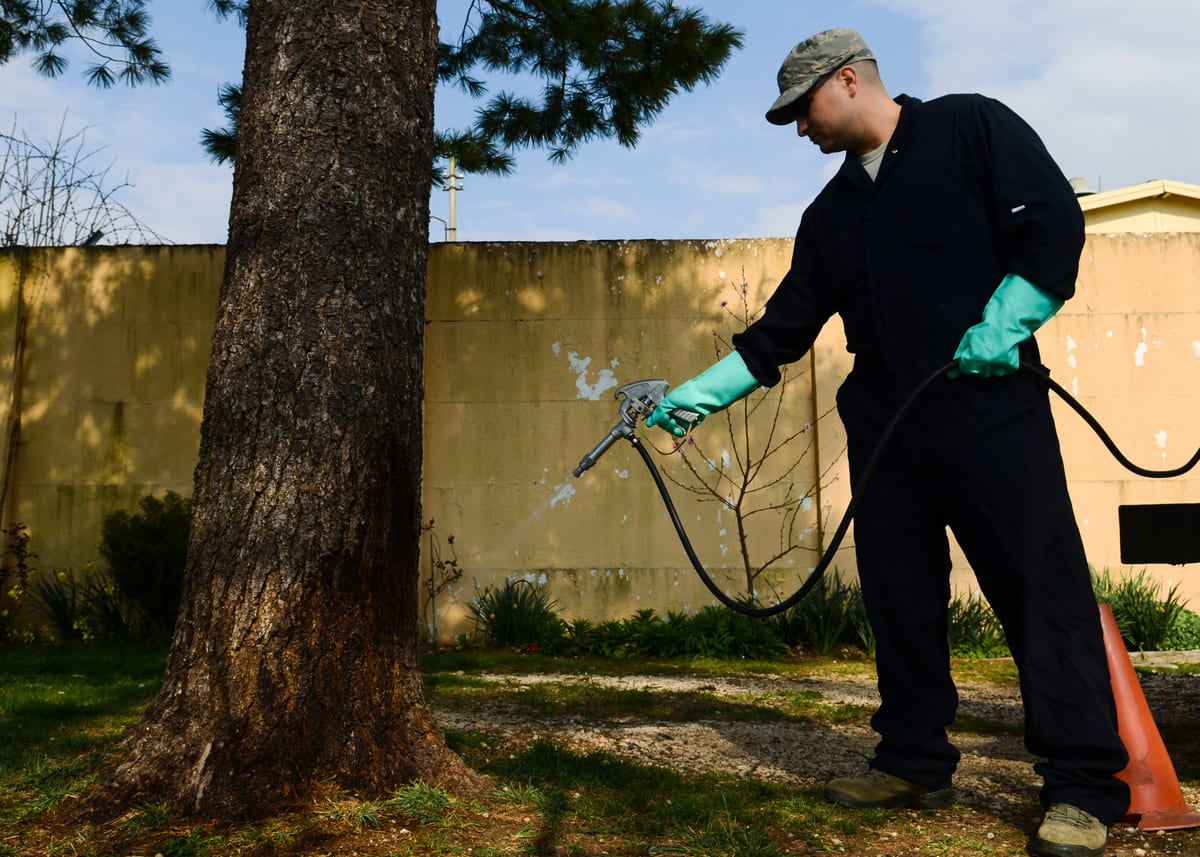
- Liquid soil treatments applied around and under the foundation to create a treated zone.
- Bait systems placed in the ground around the house, which termites carry back to the colony.
- Spot treatments or fumigation, more common for drywood termites living inside the wood itself.
Many companies offer a warranty or service agreement after treatment. Read it closely. Some cover retreatment only, while others also cover repair of new damage. Ask how long it lasts, what the yearly renewal costs, and what you need to do to keep it valid.
Costs vary widely by area, house size and treatment method. For a job this important, getting two inspections and two written proposals is reasonable.
Questions to ask a pest control company about termites
Before you sign anything, ask:
Are you licensed in this state?
Pest control companies are regulated by a state agency, often the department of agriculture. NEARPEST, listed on Listings Junkie, states in its description that it is licensed by the Arizona Department of Agriculture and includes its license number, which is the kind of detail worth looking for.
What species do I have, and can you show me the evidence?
What treatment do you recommend, and why that one?
What products will you use, and what should I do about kids and pets?
What exactly does the warranty cover, and for how long?
Will I get a written inspection report and estimate?
If wood has been damaged, the pest company may not be the one to fix it. A carpenter or contractor usually handles repairs once the termites are dealt with. You can find them under construction and contractors.
Be wary of scare tactics, pressure to sign today, or a "free inspection" that turns into a hard sell on the spot. A real termite problem is serious, but a good company gives you time to make a decision.
How to find a pest control company near you
Start with the pest control category on Listings Junkie, or go straight to a state page, such as pest control in Arizona, Texas or New Jersey. Monmouth Pest Control, for example, is listed as a locally owned company serving Monmouth County, Ocean County and the Jersey Shore with residential and commercial pest control.
Read each description to see what the company handles, then call and ask specifically about termite inspections and treatment. Not every pest company does termite work.
If you're buying a home, a wood-destroying insect inspection may be part of the process. Ask your home inspector or agent how that works where you live.
Frequently asked questions
Do termite swarmers in the house mean I'm infested?
Swarmers indoors usually mean a colony is in or under the home. It doesn't tell you how much damage there is, which is why an inspection is the next step.
Are termite swarmers dangerous?
Not to people. They don't bite or sting, and the swarmers themselves don't eat wood. The concern is the colony they came from.
Can I treat termites myself?
Store-bought products exist, but colonies are often hidden underground or inside walls. Most homeowners hire a licensed professional for termites, especially for an active infestation.
How long does a termite swarm last?
Swarms are usually brief, often wrapping up within an hour or so. You might see more on other warm days during the season, so keep an eye out.
List your business for free
Create a verified listing on Listings Junkie and give the customers in your area one more place to find your business name, address, phone and website.