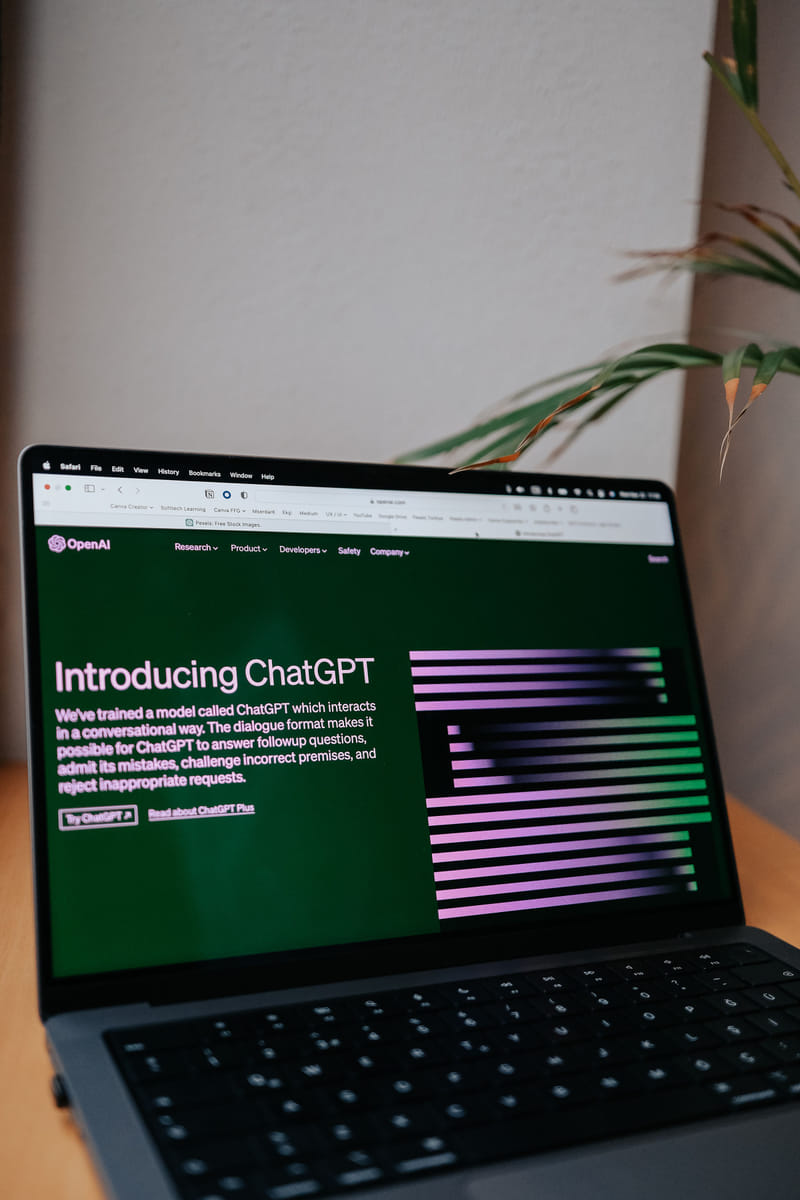

A growing number of buyers skip the list of links entirely. They open ChatGPT, Gemini, Perplexity or the AI summary at the top of a search and ask directly: "Who are the best IT support companies for small offices in Columbus?" or "Which commercial roofers near Tampa have good reviews?" The answer names a few businesses. If yours isn't one of them, that buyer may never look further.
People sometimes call the work of showing up in those answers answer engine optimization, or AEO. The name is new, but the idea is familiar: give the systems that write these answers clear, consistent, believable information about your business, from many places, so they can mention you with confidence.
Think of it as a reference check
When you hire someone, you don't just read their résumé. You call their references. If three references describe the same person with the same skills, you feel confident. If one says they're an electrician and another says they do HVAC, you hesitate.
AI tools behave in a similar way. They don't rely only on what your website says about you. They draw on what the wider web says: business directories, review sites, industry associations, local organizations and news. When those sources agree on who you are, where you are and what you do, you're easier to recommend. When they disagree or are missing, you're easier to leave out.
Step one: ask the chatbots about yourself
Spend fifteen minutes testing. Try prompts like these in two or three AI assistants:
"What do you know about [your business name] in [your city]?"
"Who are the best [your service] providers in [your city]?"
"Which [your service] companies in [your city] specialize in [your niche]?"
"Compare [your business] with [a known competitor]."
"What do customers say about [your business]?"
Note what comes back. Are you mentioned at all? Is the description accurate? Does it get your services, location or specialty wrong? Which competitors appear, and what sources does the tool cite, if it shows them?
Step two: write one clear version of who you are
If the answers are vague or wrong, the web is probably sending mixed signals. Fix that at the source by writing a single, standard description you'll reuse everywhere:
- Your exact business name, address or service area, and phone
- A two-sentence summary of what you do and for whom
- Your main services, named the way customers say them
- Your niche or specialty, if you have one, such as "IT support for dental and medical offices"
- Where you work: cities, regions or "nationwide" if that's true
- A few proof points you can back up: years in business, certifications, notable memberships
Use that same language on your website, your Google Business Profile, LinkedIn and every directory. This guide on keeping business details identical covers the name, address and phone side.

Step three: add more references
Now increase the number of trustworthy places that describe you the same way:
- General directories: Listings Junkie, plus the core platforms in our list of directories worth claiming
- Your Google Business Profile, complete and verified
- LinkedIn, with a company page that matches your standard description
- Industry directories and associations in your field
- Local organizations: your chamber of commerce and business groups
- Review platforms where customers describe their experience in their own words
- Partners and suppliers who list the businesses they work with
This isn't only for restaurants and plumbers. Business-to-business firms in IT, construction, manufacturing, software and professional services benefit too, because buyers ask AI tools about vendors as well. Our explainer on business directories covers how these listings are built.
Step four: give the answers something to quote
AI tools tend to repeat information that's stated clearly. Make your own website easy to summarize:
- A plain "About" section that matches your standard description
- Service pages that say what each service is, who it's for and where you offer it
- An FAQ answering real customer questions in a few sentences each
- Recent reviews and case examples, shared with permission
This look at AI summaries in local search covers how those answers draw on business information.
What this isn't
It isn't a trick or a shortcut. You can't pay to be included in most AI answers, and stuffing your profiles with keywords tends to backfire. The goal is simply to be accurately and consistently described by enough trustworthy sources that a recommendation is easy to make.
The bigger picture
Search used to be mostly about being found. Increasingly it's also about being recommended. The good news for small businesses is that the work overlaps almost completely with good local search habits: accurate profiles, consistent listings and real reviews. Local SEO for small businesses covers those basics.
Start with the reference check this week, write your standard description, and add your business to Listings Junkie using it. Then keep adding consistent references, one or two a month. The listing checklist will help you keep them all in line.
List your business for free
Create a verified listing on Listings Junkie and give the customers in your area one more place to find your business name, address, phone and website.