July puts a home's wiring to the test. The air conditioner runs all afternoon, window units and fans hum in every bedroom, thunderstorms roll through at dinnertime, and the pool pump never seems to stop. That's when many households first notice electrical warning signs: a breaker that won't stay on, an outlet that feels warm, lights that flicker whenever the AC kicks in. Some of these are minor. Others are your house asking for help before something worse happens. Here's how to tell the difference, and when to call a licensed electrician instead of flipping the breaker one more time.
Why electrical warning signs show up in summer
Summer adds load. Cooling equipment draws a lot of power, and people tend to plug extra fans, window units and outdoor equipment into whatever outlet is closest. Storms bring surges and outages. Pools, hot tubs and outdoor kitchens mix electricity with water. Older wiring that handled a mild spring can start to struggle once all of that stacks up at the same time.
Electrical warning signs you shouldn't ignore
A breaker that keeps tripping
A breaker trips to protect the wiring from overheating. One trip after you plugged in a space heater or a hair dryer on the same circuit as a window AC might just be overload. Unplug something and reset it once. If it trips again, or trips with only normal use, stop resetting it and call an electrician. Repeated trips can point to an overloaded circuit, a failing appliance, a short or a worn-out breaker.
Warm, buzzing or discolored outlets and switches
Outlets and switch plates should never feel hot. Warmth, a buzzing or crackling sound, scorch marks, or discoloration around an outlet can mean a loose connection or a failing device. Stop using it and have it checked soon.
A burning or unusual smell
A smell of hot plastic, burning, or an odd fishy odor near outlets, the panel or an appliance can mean something is overheating. Treat it as urgent.
Lights that flicker or dim
A brief, slight dim when a big appliance starts can happen. Frequent flickering, lights that dim sharply, or flickering across the whole house deserves a look. Whole-house problems, or half the house losing power after a storm, may be a utility issue, so call your power company too.
Shocks or tingles
Feeling a tingle from an appliance, a faucet or a light switch is never normal. Stop using the item and call an electrician.
GFCI outlets that won't reset or trip constantly
The outlets with test and reset buttons in bathrooms, kitchens, garages and outdoors protect you from shock. If one won't reset, or trips again and again, there may be moisture, a damaged device or a wiring problem on that circuit.
Signs your system is simply outdated
Two-prong outlets, a house full of extension cords and power strips, an old fuse box, or a panel that's warm to the touch are all reasons to talk to an electrician about updates before something fails.
What to do right now, and what not to do
- If you see smoke, sparks or flames, get everyone out and call 911.
- If you smell burning but see no fire, turn off power to that circuit at the breaker if you can do it safely, then call an electrician.
- Don't keep resetting a breaker that trips repeatedly.
- Don't remove the panel cover or open outlets and switches to investigate.
- Stay far away from downed power lines and call 911 and your utility.
- Keep water and electricity apart. Never touch the panel or electrical devices while standing in water.
Summer electrical safety at home
Most summer electrical problems are preventable with a few habits.
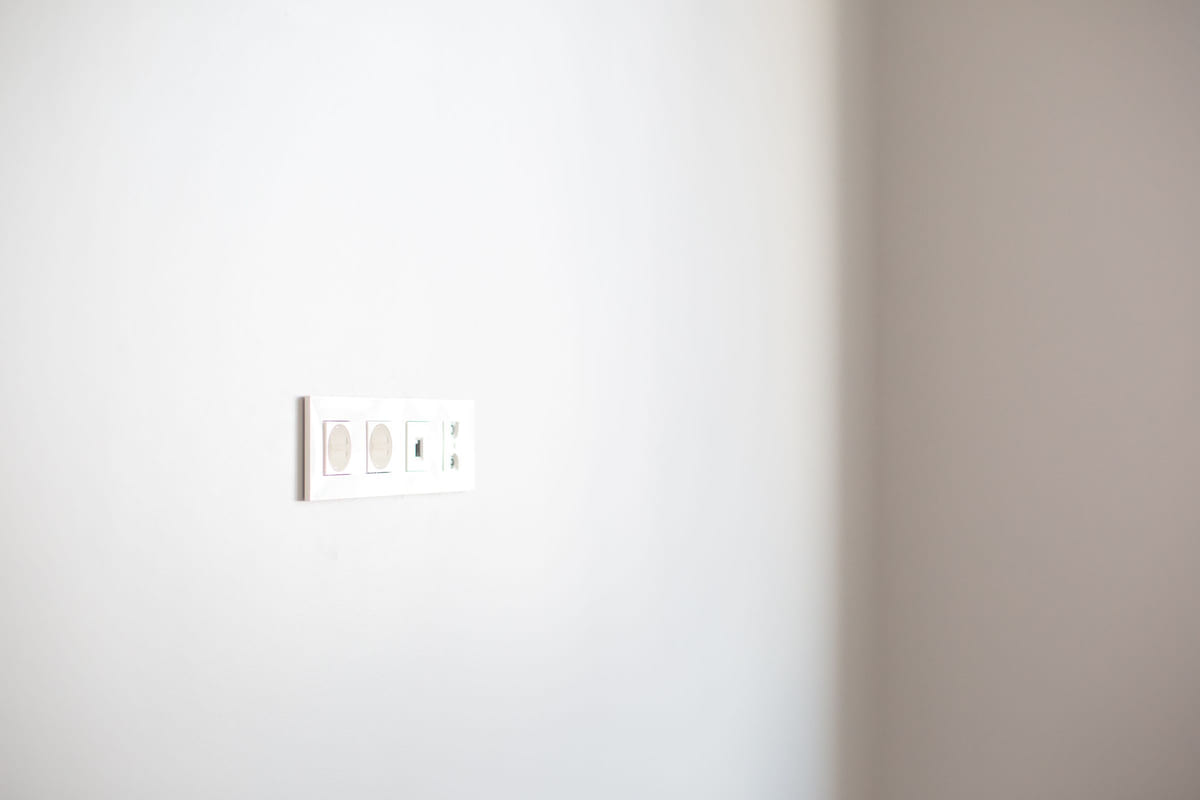
- Plug window air conditioners directly into a wall outlet, not into an extension cord or power strip, unless the manufacturer's instructions say otherwise. Check the manual for the right outlet and circuit.
- Spread out the load. Avoid running several high-draw appliances on the same circuit.
- Protect against storms. Use surge protectors for electronics, unplug sensitive equipment during lightning, and ask an electrician whether whole-home surge protection makes sense for your house.
- Use generators safely. Never plug a portable generator into a wall outlet. That can send power back into the lines and endanger utility workers and neighbors. Run generators outdoors, well away from windows and doors, because of carbon monoxide. If you want to power household circuits, have a licensed electrician install a transfer switch or approved interlock.
- Respect pools and hot tubs. Make sure pool and spa equipment is on GFCI protection. If anyone feels a tingle in the water, get everyone out without touching metal railings or ladders, keep people out of the water, and call an electrician.
If your cooling system itself is acting up, our guide to AC not cooling covers safe checks, including when a tripping breaker means it's time for an HVAC tech.
Emergency, soon or someday?
It helps to sort problems into three groups:
- Call now: burning smell, smoke, sparking, a hot panel, someone getting shocked, water near the panel or outlets.
- Call this week: breakers that keep tripping, warm or buzzing outlets, persistent flickering, GFCIs that won't reset.
- Plan a visit: replacing two-prong outlets, adding circuits for a home office or workshop, panel upgrades, EV chargers, outdoor outlets and lighting.
How to hire an electrician you can trust
Electrical work is one of the trades where licensing really matters. A few checks before you hire:
License.
Ask for the electrician's state license number and confirm it with your state's licensing agency.
Insurance.
Ask for proof of liability insurance.
Permits.
Many electrical jobs, especially panel work and new circuits, require a permit and inspection. A good electrician handles that.
Written estimate.
Get the scope and price in writing before work begins. Costs vary by area and job.
Warranty.
Ask what they guarantee on parts and labor.
Some electricians list their license details right in their profile. Assurance Electrical in Prescott Valley, Arizona, is listed on Listings Junkie as a licensed, bonded and insured electrical contractor and includes its license number, along with wiring, panel upgrades, generators and 24/7 emergency service. Fogle & Sons Electric, a family-owned company in Columbia, South Carolina, lists licensed master electricians and same-day emergency response. Rays Electrical is listed as a licensed and insured electrician serving Seymour, Springfield, Marshfield, Ozark and Nixa in Missouri.
Browse the electricians category on Listings Junkie, or go to a state page such as electricians in Texas, Arizona or South Carolina. For more on vetting any trade, see how to choose a reliable contractor or electrician.
Frequently asked questions
Is it normal for lights to dim when the AC turns on?
A brief, slight dim can happen when a large motor starts. If the dimming is sharp, frequent or getting worse, have an electrician check it.
How many times should I reset a tripped breaker?
Once. If it trips again, unplug what's on that circuit and call an electrician rather than resetting it over and over.
Can I run a window AC on an extension cord?
Most manufacturers advise plugging window units directly into a properly rated wall outlet. Check your unit's manual, and avoid power strips and light-duty cords.
Do I need a permit for electrical work?
Many electrical jobs require a permit, especially panel replacements and new circuits. A licensed electrician will know the rules in your area and can pull the permit.
List your business for free
Create a verified listing on Listings Junkie and give the customers in your area one more place to find your business name, address, phone and website.