A room can look clean and still not be. Counters get wiped, floors get swept, and meanwhile dust settles into carpet fibers, grime builds up along baseboards, and the light switches everyone touches never get more than a glance. Professional cleaning is about the stuff you don't see as much as the stuff you do.
Here's a plain tour of what builds up indoors, what a trained crew does about each one, and how to choose a service that actually does it.
Dust and allergens: the air problem
Indoor dust is a mix of things: skin flakes, fabric fibers, pollen tracked in from outside, pet dander and tiny bits of whatever else drifts through the space. It settles on every surface and gets kicked back into the air each time someone walks across a rug or sits on a couch. For people with allergies or asthma, that cycle matters.
What helps:
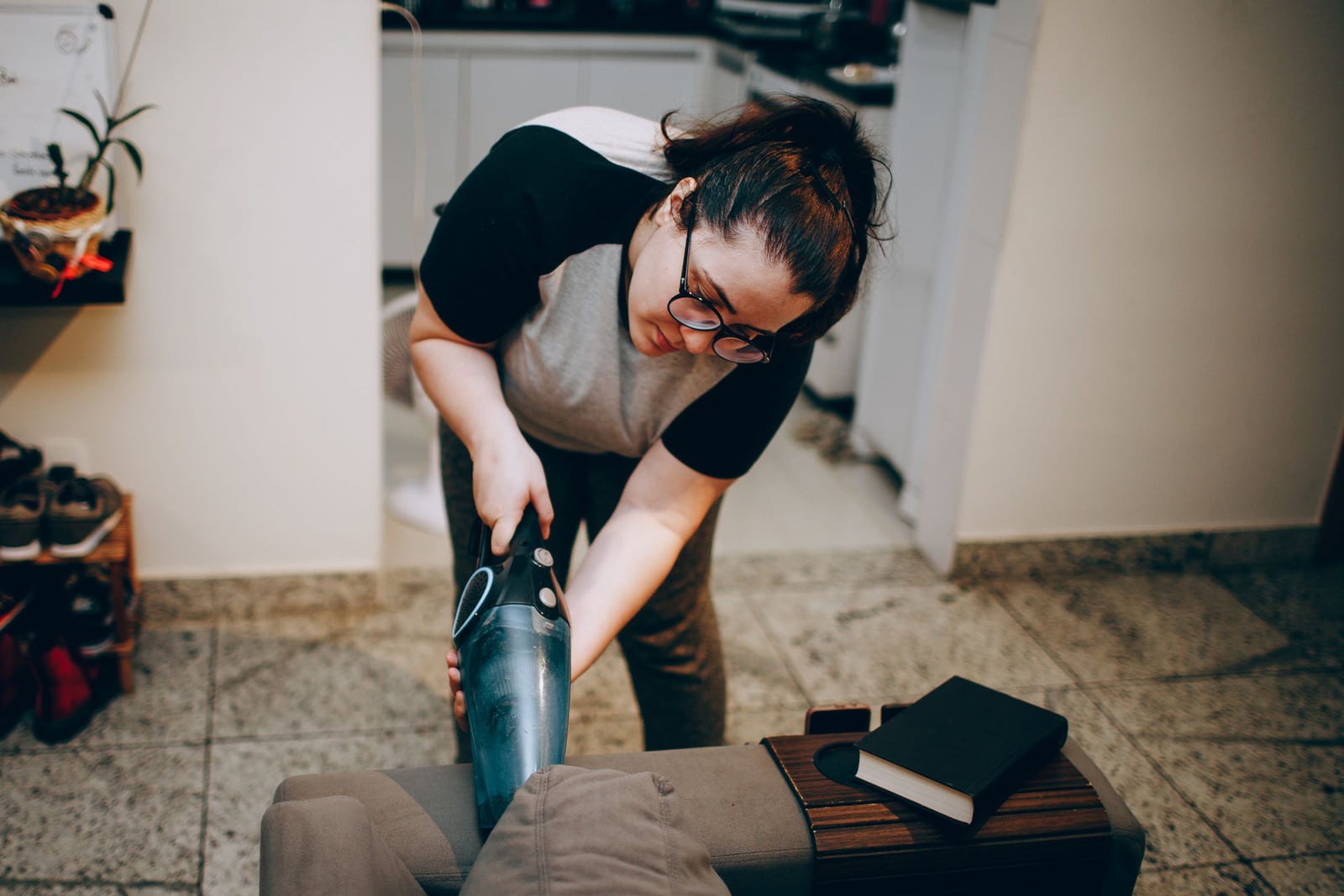
- Vacuums with HEPA filters. Under U.S. standards, a true HEPA filter is rated to trap at least 99.97% of particles 0.3 microns in size. That means fine dust stays in the machine instead of blowing back into the room.
- Microfiber cloths, slightly damp. They pick dust up rather than pushing it around.
- Top-to-bottom order. Good cleaners start high (ceiling fans, light fixtures, tops of cabinets) and finish with the floor, so dust doesn't land on surfaces already done.
- The soft surfaces. Carpets, upholstery, curtains and mattresses hold far more than hard floors do.
Germs on the things everyone touches
In any shared space, a handful of surfaces get touched constantly: door handles, light switches, faucet handles, elevator buttons, shared keyboards, the office coffee maker, the fridge door. These are where germs pass from person to person.
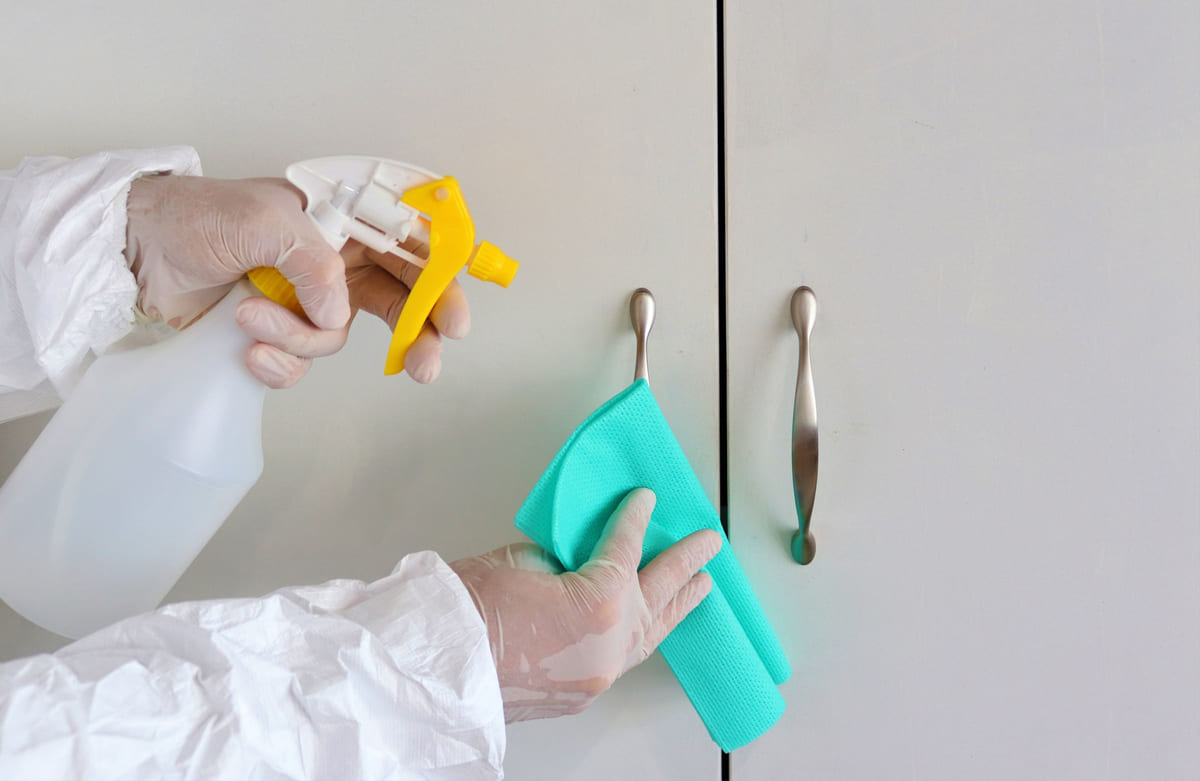
Trained cleaners treat these differently from general surfaces. They clean first to remove grime, then disinfect, and they leave the disinfectant on for the contact time the label requires, which is the step most people skip. In offices, schools, clinics and restaurants, that routine helps cut down on the spread of everyday illness. For hospitals and clinics specifically, cleaning protocols are stricter still; our piece on hospital listings touches on how those facilities present themselves to patients.
Moisture and mold: bathrooms, kitchens, basements
Mold needs moisture, and homes provide plenty of it in showers, under sinks, around windows and in damp basements. Left alone, it stains grout, smells musty and can bother people with allergies or breathing problems.
A thorough clean scrubs grout and caulk lines, wipes down window sills and tracks where condensation collects, and cleans exhaust fans that help keep humidity down. A good cleaner will also tell you when they spot something bigger, like a persistent leak or mold behind a surface, that needs a repair rather than a scrub.
The hidden places a deep clean reaches
Routine cleaning covers what's in plain view. A deep clean goes after the spots that build up for months:
- Behind and under the fridge, stove and washer
- Baseboards, door frames and the tops of door casings
- Window tracks and blinds
- Air vents, return grilles and ceiling fixtures
- Tile grout and the corners where floors meet walls
- Inside ovens, microwaves and refrigerators
- Under beds and couches
Many households and offices do well with regular cleaning plus a deep clean a few times a year, or when moving in or out.
Why it matters at work
A tidy, well-cleaned workplace is more pleasant to spend eight hours in, and it shows. Clean restrooms and kitchens, dust-free desks and fresh-smelling meeting rooms make a better impression on visiting clients, and employees tend to notice and appreciate it. A regular cleaning schedule also means fewer surprises, like the shared fridge that nobody wants to open.
Gentler products, same results
Many cleaning companies now offer green cleaning: plant-based or low-fragrance products, microfiber in place of disposable wipes and equipment that uses less water. That can matter in homes with babies, pets or anyone sensitive to strong chemicals, and in schools and healthcare settings. If it's important to you, ask what products a service uses and whether they can use yours.
Different spaces, different routines
A medical office, a restaurant kitchen, a classroom and a warehouse all need different things. Healthcare settings follow strict disinfection rules. Food businesses must meet health codes. Schools focus on shared surfaces and restrooms. A good commercial cleaner will walk the space first and build a plan for it rather than applying the same checklist everywhere.
How to choose a cleaning service
Before you hire anyone, ask:
- Are you insured and bonded?
- Do you screen your employees?
- Will the same team come each time?
- What's included in a standard clean versus a deep clean?
- What products and equipment do you use, and do you use HEPA vacuums?
- What happens if something is missed?
- Can you provide references or point me to recent reviews?
Reading reviews from people with similar homes or offices is one of the best ways to judge. If you run a cleaning company yourself, this guide to earning trust online explains how to answer those questions on your profiles before customers have to ask.
The bigger picture
Demand for professional cleaning has grown as more homes and businesses see it as part of keeping people healthy, not a luxury. Research firms such as Expert Market Research track that growth across the industry. And a regularly cleaned space also lasts longer: carpets, upholstery, floors and fixtures that are cared for need replacing less often.
List your business for free
Create a verified listing on Listings Junkie and give the customers in your area one more place to find your business name, address, phone and website.